Virat Kohli’s Bold Privacy Demand to BCCI: Impact on IPL Earnings and Player Well-being
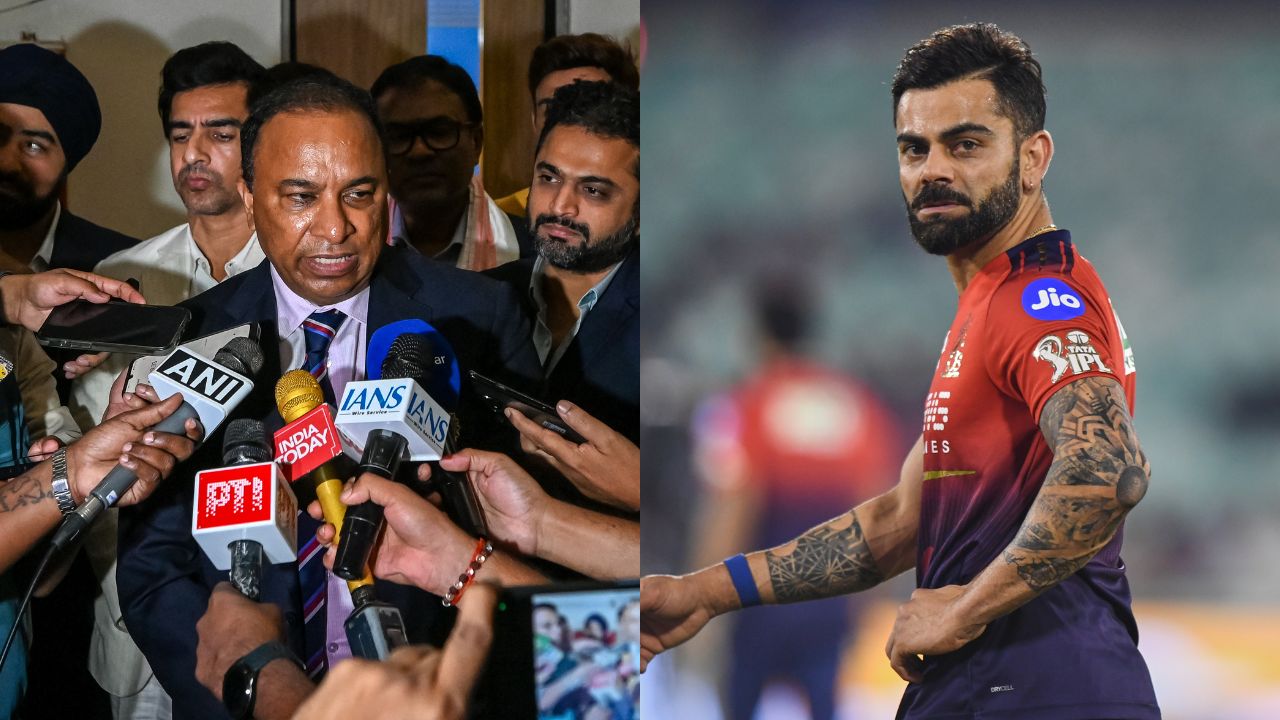
Mumbai, India – The glitz and glamour of the Indian Premier League (IPL) often overshadow the intricate challenges faced by its biggest stars. In a significant development, cricket icon Virat Kohli has reportedly sent a demand notice to the Board of Control for Cricket in India (BCCI) Secretary Devajit Saikia, raising serious concerns about player privacy amidst the league’s ever-increasing media footprint. This bold move by the Royal Challengers Bangalore (RCB) stalwart could potentially lead to substantial financial repercussions for the tournament, forcing a critical reevaluation of current policies.
Contents
The Growing Shadow of Constant Surveillance in IPL
The IPL stands as one of India’s most colossal sporting spectacles, captivating millions of fans across a two-month summer frenzy. Viewers are perpetually glued to their screens, eager to catch every fleeting moment of their beloved players and teams. However, this relentless spotlight, while fueling fan engagement, has inadvertently given rise to pressing privacy issues that cricketers now find themselves grappling with daily.
During a recent podcast interaction with RCB, Virat Kohli openly expressed his profound frustration with the pervasive presence of cameras shadowing cricketers throughout the IPL season. He articulated a sentiment shared by many, stating that players are increasingly deprived of adequate privacy, even during what should be personal moments like practice sessions or candid conversations. This constant observation, he argues, crosses a critical boundary between fan engagement and personal space.
“Like social media is a huge part of the commercial representation or the fan engagement for any team, which is understandable. But Kohli genuinely feels that there has to be a bit more streamlining, because if one looks at the growth of the official fan clubs or the official fan pages of teams, it has taken place after a long period of time when the IPL was already in play,” Kohli reportedly stated, emphasizing the need for better boundaries.
Content Creation Over Cricket: A New Challenge
Kohli elaborated on his concerns, pointing out that modern cricket, particularly within the IPL framework, has become excessively focused on content creation, fan engagement metrics, and ubiquitous social media coverage. While acknowledging the undeniable commercial imperatives that drive the IPL, he firmly believes that clearer, more stringent boundaries are essential to protect the players’ well-being and professional integrity. The demand for constant content often blurs the lines between public performance and private preparation.
The former Indian captain highlighted a specific grievance: players are now filmed almost instantaneously upon their arrival at training grounds. This immediate and constant filming, he contends, stifles their ability to prepare naturally, experiment with new techniques during practice, or engage in candid discussions without the fear of immediate public scrutiny and judgment. Such an environment, he suggests, is detrimental to a player’s development and mental space.
“So it’s not a thing that people are ready for from day one. So immediately you walk to practice and you have six cameras following, it’s not a comfortable feeling at all. As a sportsperson, you need to have the ability and the freedom to work on your game in peace,” Kohli added, underscoring the fundamental right of an athlete to train undisturbed.
The Right to Prepare: Beyond Public Scrutiny
Kohli further elucidated his argument, explaining that every movement, every experimental drill in the nets, swiftly transforms into fodder for online discussions and media analyses. This relentless public dissection, he believes, profoundly impacts how freely players can train and refine their skills. The pressure to avoid being filmed in an ‘imperfect’ moment can lead to a reluctance to try new approaches, thereby hindering innovation and growth.
The star batsman firmly believes that cricketers should be judged solely on their performances during actual matches, not on the drills, experiments, or tactical preparations undertaken in private training sessions. Public commentary on practice methods, he argued, is an unwarranted intrusion that undermines the sanctity of preparation.
“If everything you do is an opportunity to film or display or to dissect, then you are not organic. A player will not be able to try to do things at practice, which they really want to do, because they know tomorrow if someone films it, and there are discussions on their practice sessions. Players should be judged on their performances during the game. During the lead-up, no one has the right to judge a player for what they are doing in terms of their preparation, the things they are trying in the nets,” he asserted, drawing a clear line between performance and preparation.
A Call for BCCI Intervention and Streamlining
In a direct and earnest appeal, Virat Kohli urged the BCCI to comprehensively re-evaluate and rectify the entire issue of player privacy. His objective is to ensure that cricketers’ personal boundaries are respected and protected. He advocated for a more streamlined approach, where decisions about filming are made with greater consideration for the players’ comfort and consent.
“So, there has to be a bit more streamlining in terms of understanding how much to do, when to do, and is the player okay with, you know, being filmed at all times? These kind of things really need to be taken into account because this is an honest assessment. It gets too much,” Kohli concluded, highlighting the emotional and psychological toll of constant exposure.
Kohli’s concerns are not merely speculative; they resonate with past incidents that underscore the very real consequences of excessive media coverage. In the ongoing IPL 2026 season itself, there have been documented instances where on-field cameras inadvertently captured uncomfortable or private moments, leading to widespread public discourse and controversy.
A notable example involved Rajasthan Royals (RR) captain Riyan Parag, who was captured in a seemingly vapid state inside the dressing room. This visual, immediately circulated by on-field cameras, quickly went viral across social media platforms, sparking intense debate and criticism. The BCCI subsequently intervened, levying a significant fine on Parag for what was deemed unprofessional conduct. Such incidents lend considerable weight to Kohli’s argument, suggesting that the current policies, or lack thereof, are indeed problematic.
The Commercial Dilemma: Revenue vs. Rights
With such occurrences on the rise, Virat Kohli’s firm stance could very well compel the BCCI to take decisive action. However, implementing changes will be far from straightforward. The BCCI generates immense revenues, often running into crores, primarily through its broadcasting agreements. Any attempt to curb or restrict the access of broadcasters and content creators could directly impact these lucrative revenue streams, potentially leading to substantial financial losses for the league and its stakeholders.
The challenge for the BCCI lies in striking a delicate balance: upholding player privacy and well-being while simultaneously preserving the commercial viability and fan engagement that are cornerstones of the IPL’s success. Kohli’s demand initiates a crucial conversation that will likely shape the future relationship between players, media, and the governing body in one of the world’s most watched cricket leagues. The outcome of this discussion could redefine the boundaries of celebrity and privacy in modern sports.