Jay Shah Orchestrates India-Pakistan ICC Mission to Stabilize Sri Lanka Cricket
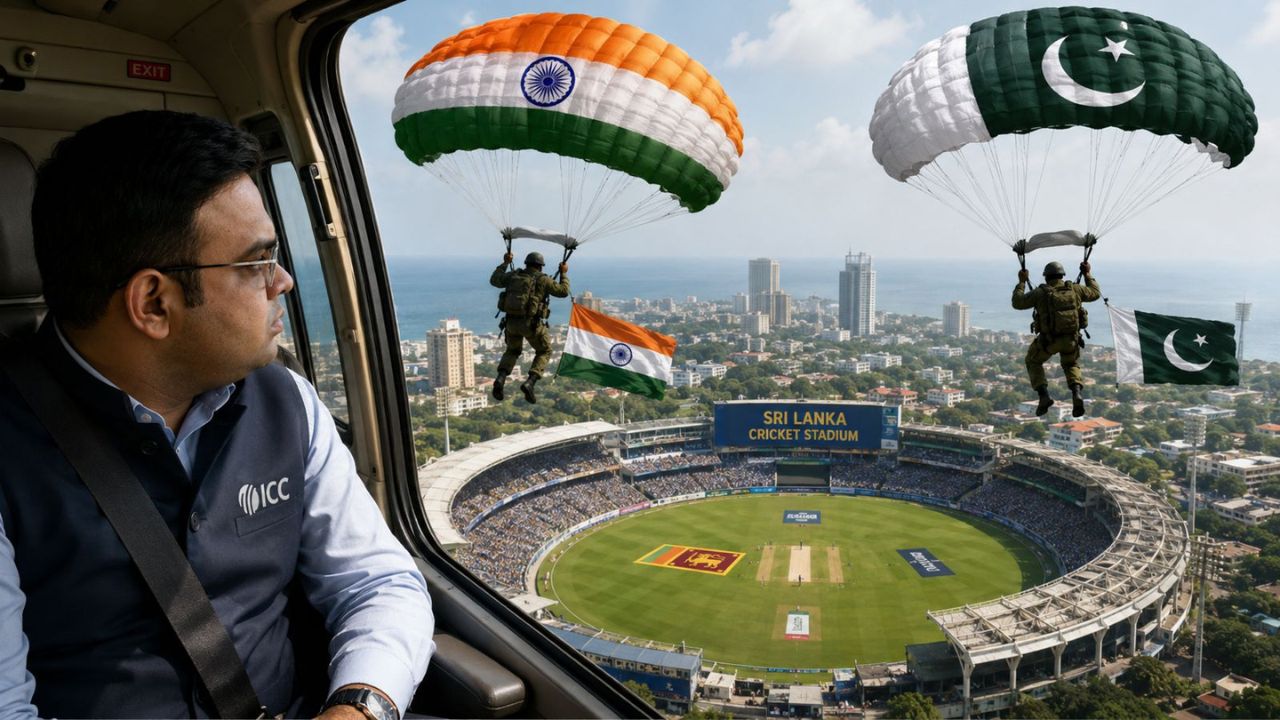
A New Chapter for Sri Lankan Cricket Governance
In a move that transcends traditional sporting rivalries, the International Cricket Council (ICC), led by the strategic guidance of Jay Shah, has taken decisive action to stabilize the administrative landscape of Sri Lanka Cricket (SLC). Following a tumultuous period that saw the national team face an early exit during the 2026 T20 World Cup, the global governing body has deployed a high-level delegation to Colombo to address the structural decay that has plagued the Island Nation’s cricketing infrastructure.
The Catalyst for Change: A Disastrous T20 World Cup Campaign
The urgency of this intervention stems from Sri Lanka’s underwhelming performance as co-hosts of the 2026 T20 World Cup. Despite the advantage of playing on home soil, the Dasun Shanaka-led squad suffered three consecutive defeats in the Super 8 stage, failing to secure a spot in the semifinals. The fallout was immediate and severe, with head coach Sanath Jayasuriya stepping down amid intense public backlash and scrutiny regarding team selection and preparation.
Government Intervention and the Resignation of Shammi Silva
The internal pressure reached a boiling point when the Sri Lankan government, led by President Anura Kumara Dissanayake, initiated a formal probe into the failures of the cricket board. Following a high-stakes discussion with the President, SLC president Shammi Silva opted to resign, creating a power vacuum that prompted Sports Minister Sunil Kumara Gamage to take drastic measures. The government moved to dissolve the existing structure, establishing an interim panel to oversee the sport’s immediate future.
The Cricket Transformation Committee
To navigate this transition, Sports Minister Gamage appointed a nine-member Cricket Transformation Committee. This panel features some of the most respected names in the history of the sport, including legendary figures Kumar Sangakkara, Sidath Wettimuny, and Roshan Mahanama. Led by opposition politician Eran Wickremaratna, the committee has been tasked with proposing deep-rooted structural reforms. Their goal is clear: to ensure fairness, transparency, and long-term stability for cricket at both the professional and grassroots levels in Sri Lanka.
A Bipartisan ICC Approach: India and Pakistan Unite
Perhaps the most significant aspect of this ICC mission is the collaborative nature of the delegation. Under the leadership of Jay Shah, the ICC has paired a senior BCCI official with Imran Khawaja, the Pakistan-origin ICC deputy chairman. This pairing serves as a strong signal from the apex body that the restoration of Sri Lankan cricket is a collective global priority that supersedes regional politics.
Reports indicate that Khawaja arrived in the Island Nation on Friday, with his BCCI counterpart arriving shortly thereafter on May 16. The arrival of these high-level administrators is crucial, especially given the friction caused by the Sri Lankan government’s unilateral decision-making process. The Sports Ministry had previously faced criticism for failing to consult with the ICC prior to installing the interim committee.
The ICC has historically maintained a strict policy against government interference in the internal affairs of national cricket boards. However, the situation in Sri Lanka is complicated by the nation’s 1973 Sports Law, which grants the government broad powers to dissolve administrative bodies. This legal framework has created a persistent tension between state authority and the autonomy of the SLC.
While the ICC remains wary of state overreach, diplomatic back-channeling appears to be the strategy of choice. The Sri Lankan government has reportedly provided assurances to the ICC that the current interim arrangement is temporary and that a democratic transition—leading to the appointment of new board members through transparent elections—is on the horizon. As the Cricket Transformation Committee begins its work, the eyes of the cricketing world remain fixed on Colombo, hopeful that this high-level intervention will provide the stability needed to restore Sri Lanka to its former glory.