Virat Kohli Criticizes IPL Content Culture: Why Players Need Space
Contents
The Growing Tension Between Content and Cricket
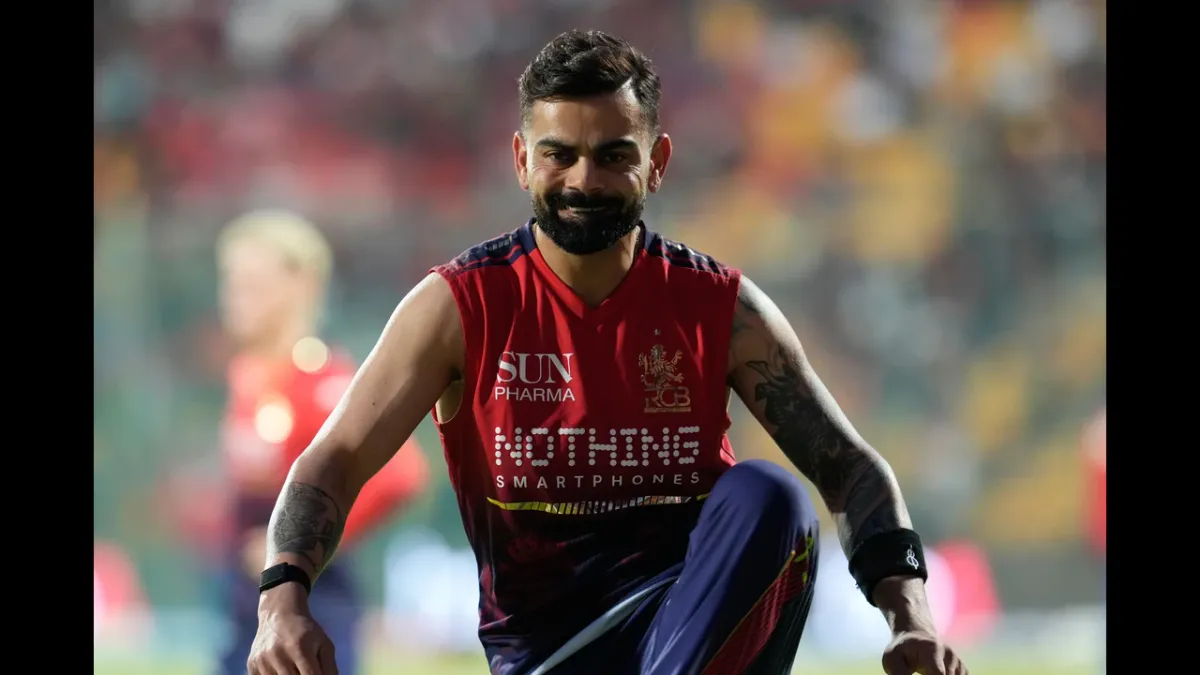
In the modern era of the Indian Premier League (IPL), the line between professional sports and entertainment has become increasingly blurred. While franchise digital teams work tirelessly to drive engagement and expand fan bases, a prominent voice has emerged to challenge the sustainability of this ‘content-first’ approach. Virat Kohli, one of the most recognizable figures in global sport, has expressed significant discomfort regarding the invasive nature of current digital coverage.
A Need for Organic Preparation
For a player of Kohli’s stature, maintaining peak performance requires focus and privacy. However, the veteran cricketer notes that the current environment is far from ideal. During a candid conversation on the RCB podcast, Kohli highlighted how the presence of constant camera crews during practice sessions undermines the ability of players to train effectively. According to Kohli, being followed by half a dozen cameras while trying to refine technical skills is not a comfortable experience.
“You need freedom to work on your game,” Kohli stated. “You are not organic if everything is filmed. It becomes difficult to try new things as your actions are being recorded, and it could lead to unnecessary scrutiny regarding how I prepare. I should be judged on the basis of my performance, not on how I prepare for a game behind the scenes.”
Boundary Issues and Personal Space
The issue of privacy extends beyond the nets. Kohli shared a specific anecdote involving Kane Williamson, where a robotic camera unit interrupted a private, serious conversation between two friends. This incident serves as a microcosm of the larger problem: the prioritization of content creation over the fundamental human need for personal space among athletes.
Kohli emphasizes that while he embraces the pressure inherent to the game, the pressure of constant surveillance is a different beast entirely. He suggests that the governing bodies and franchise digital teams must establish clear guidelines to ensure that players remain comfortable. The call is for a balance—one where fan engagement is maintained without compromising the sanctity of the dressing room or the players’ downtime.
The Stakes of the 2026 IPL Season
Despite these frustrations, Kohli’s focus remains firmly on the field. As RCB pushes for glory in the 2026 edition of the tournament, his form remains as sharp as ever. Having already surpassed 14,000 runs in the shortest format and maintaining a stellar record of nine IPL centuries, Kohli is once again a frontrunner for the Orange Cap. His recent century against the Kolkata Knight Riders underscored his dedication to the team’s cause.
With RCB securing a spot in the playoffs after a strong run of eight victories, the team, now under the guidance of Rajat Patidar, looks poised for a deep tournament run. However, as the franchises aim for the title, the conversation surrounding player welfare and privacy remains a critical subtext to the high-octane action on the field.
Moving Toward a Sustainable Future
Ultimately, the growth of the IPL as a media powerhouse is undeniable. The fan clubs and digital ecosystems built around the teams are a testament to the league’s massive reach. Yet, as Kohli points out, the sustainability of this model depends on mutual respect. By fostering an environment where cricketers feel they have the agency to train and interact freely, the league can ensure that the quality of the cricket remains the true headline, rather than the content produced around it. It is time for a recalibration of how much access is truly necessary to keep the fans engaged while respecting the professional boundaries of the athletes themselves.