Mismatch in batting firepower could dictate the outcome again in WI vs SL
The Strategic Disparity in T20 Cricket
The opening T20I of the series followed a script that has become all too familiar for Sri Lanka. While their top order promised fireworks, the eventual middle-order collapse and a lackluster death-overs performance highlighted a significant gap in talent between the two squads. As they prepare for the second encounter, it is becoming increasingly evident that a mismatch in batting firepower could dictate the outcome again unless the tourists find a way to stabilize their innings.
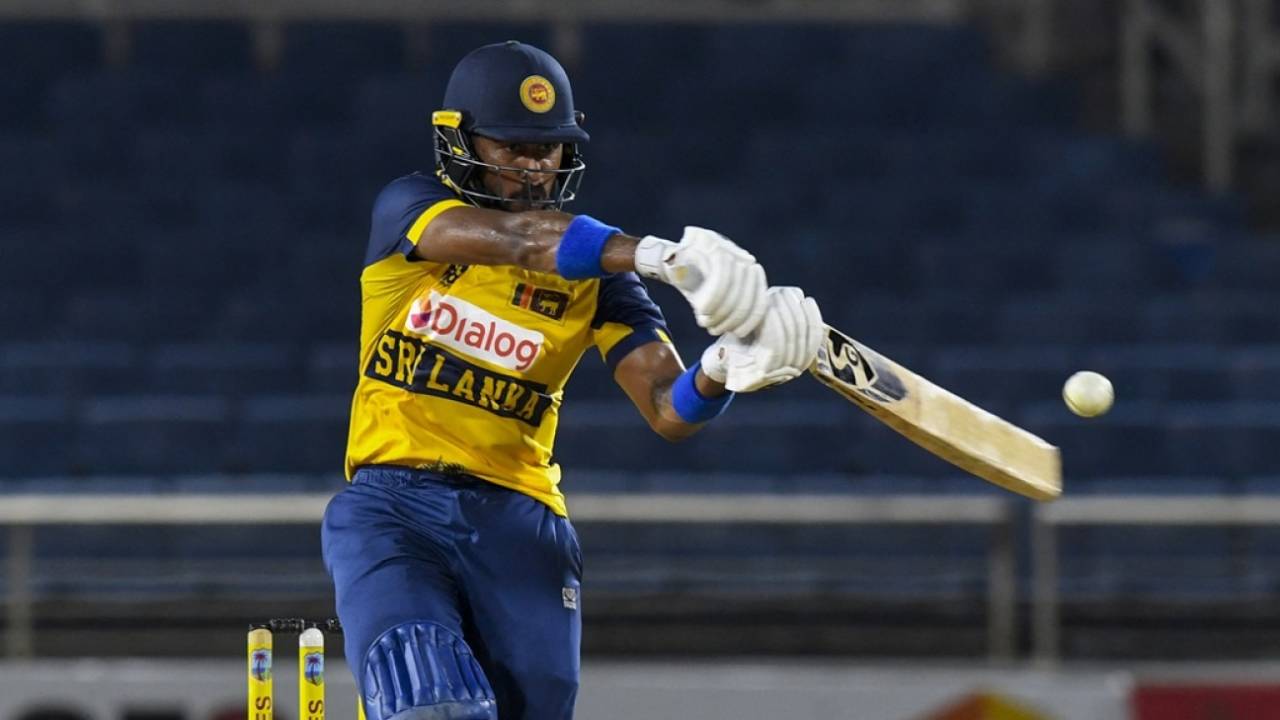
During the first match, despite a high-octane start from Kusal Mendis, the loss of four top-order batters before the halfway point forced a shift in strategy. The team had to shelve their attacking ambitions to prioritize consolidation, ultimately struggling through the final overs. While head coach Gary Kirsten advocates for a long-term focus on process, the immediate reality is a stark contrast in hitting ability. Every member of the West Indies top five cleared the ropes at least once, whereas Sri Lanka struggled to find similar rhythm.
Spotlight on Key Performers
Jason Holder remains the linchpin for the West Indies. His match-winning performance of 3 for 18 in the opener demonstrated his vital experience, particularly on a surface at Sabina Park that rewards subtle variations and clever cutters. If the pitch continues to show wear and patchy grass, Holder’s tactical nous will likely pose further problems for the Sri Lankan middle order.
For Sri Lanka, Kamindu Mendis emerged as a rare bright spot. His gritty 51 off 39 balls highlighted his ability to counter both spin and pace. As he evolves into a middle-order firefighter, the management will be hoping for consistent support from his teammates. Without a collective effort, individual brilliance from Mendis will not be enough to challenge the depth of the West Indies lineup.
Tactical Adjustments and Team News
The West Indies management opted for a bowling-heavy approach in the first match by omitting spinner Gudakesh Motie in favor of an extra seamer. The move paid dividends, and it is highly likely they will field an unchanged XI for the upcoming clash to secure a series victory. Their pacers, led by Shamar Joseph and Romario Shepherd, effectively utilized the bounce available at Sabina Park.
Sri Lanka, conversely, is at a crossroads. The experimental 6-5 batting combination failed to deliver, prompting discussions about bringing in Dunith Wellalage. Such an inclusion would bolster both their spin options and lower-order batting depth, providing much-needed stability against a potent West Indies attack. The selection hinges on whether the team persists with three front-line seamers or shifts toward a spin-heavy strategy expected to suit a potentially slower pitch in the second match.
Looking Ahead: Statistical Context
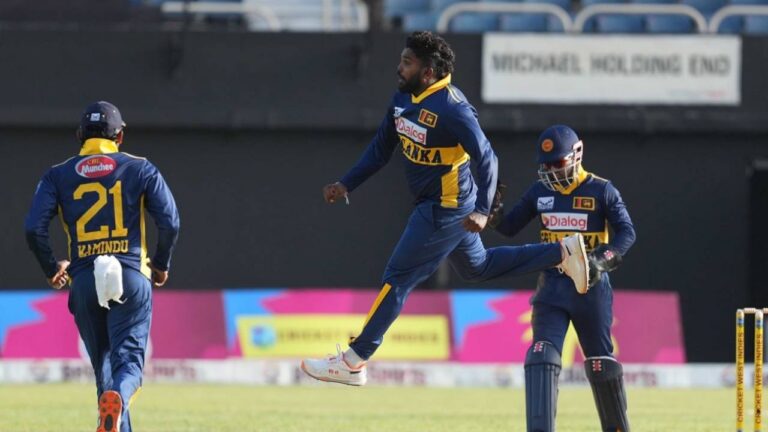
The numbers do not favor the visitors. Sri Lanka has lost five consecutive T20Is, their longest lean patch in the format since early 2022. Furthermore, historical data shows that winning on West Indian soil has always been a significant hurdle, with only two victories recorded there in the head-to-head history. However, Wanindu Hasaranga remains a potent threat; his strike rate of 11.6 against the West Indies is exceptional, and he will be eager to add to his tally of 18 wickets against them.
As the series shifts to the second match, the pressure is squarely on Sri Lanka to snap their losing streak. If they cannot address their batting fragility and match the hitting intensity of the home side, the West Indies are well-positioned to wrap up the series with a game to spare. The weather in Kingston remains clear, setting the stage for an intriguing contest where tactical execution will prove just as important as individual talent.