D-day looms for Australian cricket in BBL privatisation push: A Crucial Vote
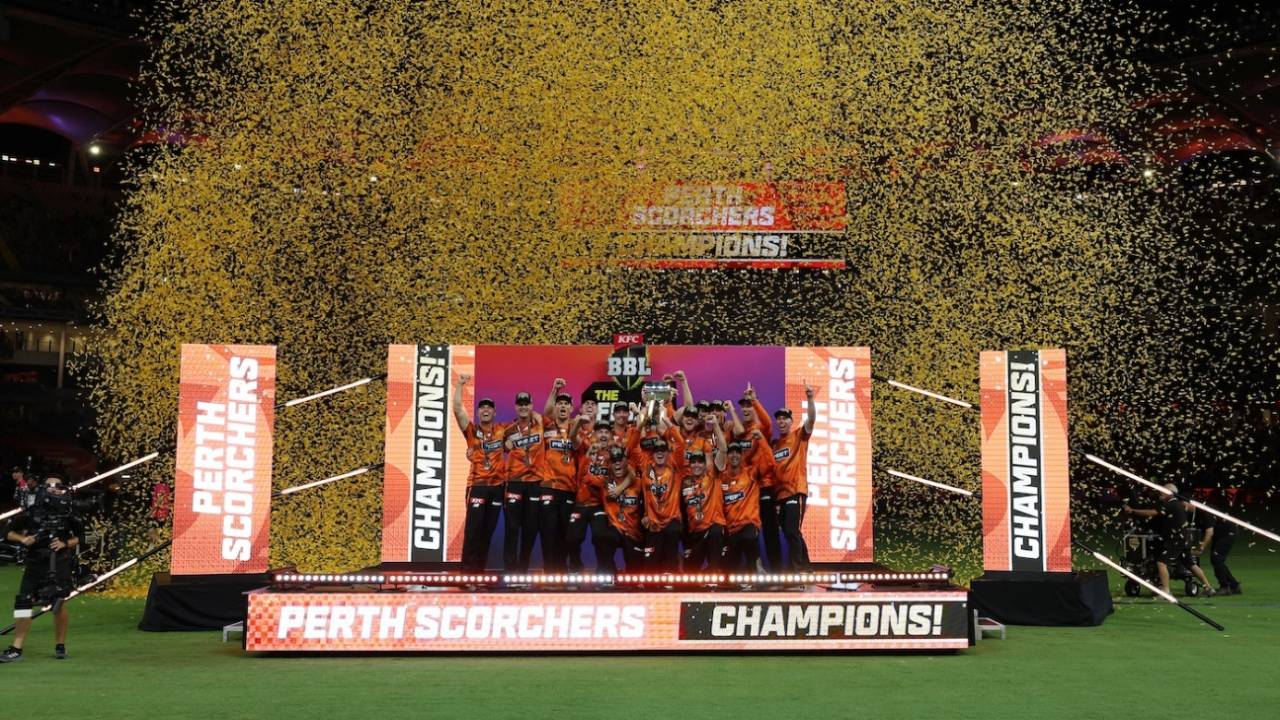
A pivotal moment is fast approaching for Australian cricket, as state chairs prepare to cast their votes on the latest Big Bash League (BBL) privatisation proposal. This crucial meeting, scheduled to take place in Melbourne on Monday with Cricket Australia (CA) officials, represents a significant juncture that could redefine the financial and structural landscape of the country’s premier domestic T20 competition. While Cricket Victoria’s chair, Ross Hepburn, will be absent due to being overseas, another board member will represent the state, underscoring the gravity of the decision at hand.
The Evolution of the Privatisation Push
Discussions around BBL privatisation have intensified in recent times, with state chief executives engaging in comprehensive deliberations with CA earlier this week. These meetings culminated in a final, formal written proposal of a hybrid model being dispatched to the states for their assessment. This new model marks CA’s second endeavor to introduce private investment into the BBL, following the rejection of an initial, more encompassing proposal.
From Unanimous Sale to Optionality
The initial privatisation proposal, which mandated the sale of stakes in all eight BBL clubs, encountered significant resistance. New South Wales and Queensland were notably opposed in mid-April, citing concerns over control and the inherent value of their clubs. South Australia also expressed reservations about a forced, universal sale, emerging as a key proponent for a more flexible approach. It was their advocacy that largely shaped the current hybrid model, which empowers each state with the option to either proceed immediately with selling stakes in their BBL clubs to private investors or to maintain their current operational model, potentially exploring private investment at a later date. This shift towards self-determination aims to address the diverse interests and strategic priorities of the individual state associations.
Victoria’s Ambitious Strategy and Key Dependencies
Adding another layer of complexity to the privatisation debate is Cricket Victoria’s proactive stance. The state has publicly announced its intention to merge the operations of the Melbourne Stars and Melbourne Renegades, with the ambitious goal of selling a single, consolidated Melbourne BBL license entirely before the commencement of the upcoming season. This accelerated timeline significantly predates CA’s proposed schedule for privatisation. Victoria has already taken steps to trademark potential names for this merged entity, with ‘Rangers’, ‘Blazers’, and ‘Magic’ being considered as new identities.
However, the feasibility of Victoria’s bold move is contingent upon several critical factors. Firstly, it hinges directly on the outcome of Monday’s vote, which will determine if the hybrid privatisation model gains approval. Secondly, the blessing of the Cricket Australia board is essential. Crucially, any progression towards privatisation, particularly concerning changes to club structures, necessitates the agreement of the Australian Cricketers’ Association (ACA). The ACA has unequivocally stated that privatisation cannot proceed without their explicit consent, highlighting the importance of player welfare and contractual considerations in any ownership restructuring.
The Path Forward: Voting, Market Testing, and Uncertain Timelines
For the hybrid model to advance to its next phase, it is understood that only a simple majority – specifically, four states – would need to vote in favour. While a majority is sufficient, there is a discernible desire within CA to ensure that any dissenting states are not vehemently opposed to the principle of self-determination inherent in the hybrid model. Should the proposal pass, those states expressing an immediate interest in pursuing private investment, currently identified as Victoria, Western Australia, and Tasmania, will embark on a joint market testing process with Cricket Australia and their appointed consultant, the Raine Group.
This market testing phase is anticipated to mirror the process employed for the sale of The Hundred franchises in England. It involves sounding out potential buyers, establishing valuations for each club, and meticulously preparing for a structured sales process further down the track. Despite Victoria’s expressed confidence in achieving a sale within a matter of months, the precise timelines for this intricate process remain unclear. The memory of past delays, such as the state meetings in March where states requested additional time to assess the initial proposal, serves as a reminder that immediate resolution is not guaranteed.
Cricket Australia’s Vision for a Sustainable Future
Amidst these intricate negotiations and impending decisions, Cricket Australia chief executive Todd Greenberg has consistently articulated a clear vision for the BBL’s future. During a recent address at a CA conference in Melbourne, attended by approximately 300 stakeholders from state associations, BBL clubs, commercial and broadcast partners, the ACA, and players, Greenberg underscored his determination to propel the BBL towards some form of privatisation as swiftly as possible.