ICC Delegation Lands in Colombo Amid Sri Lanka Cricket Leadership Crisis
Contents
Crisis Deepens at Sri Lanka Cricket
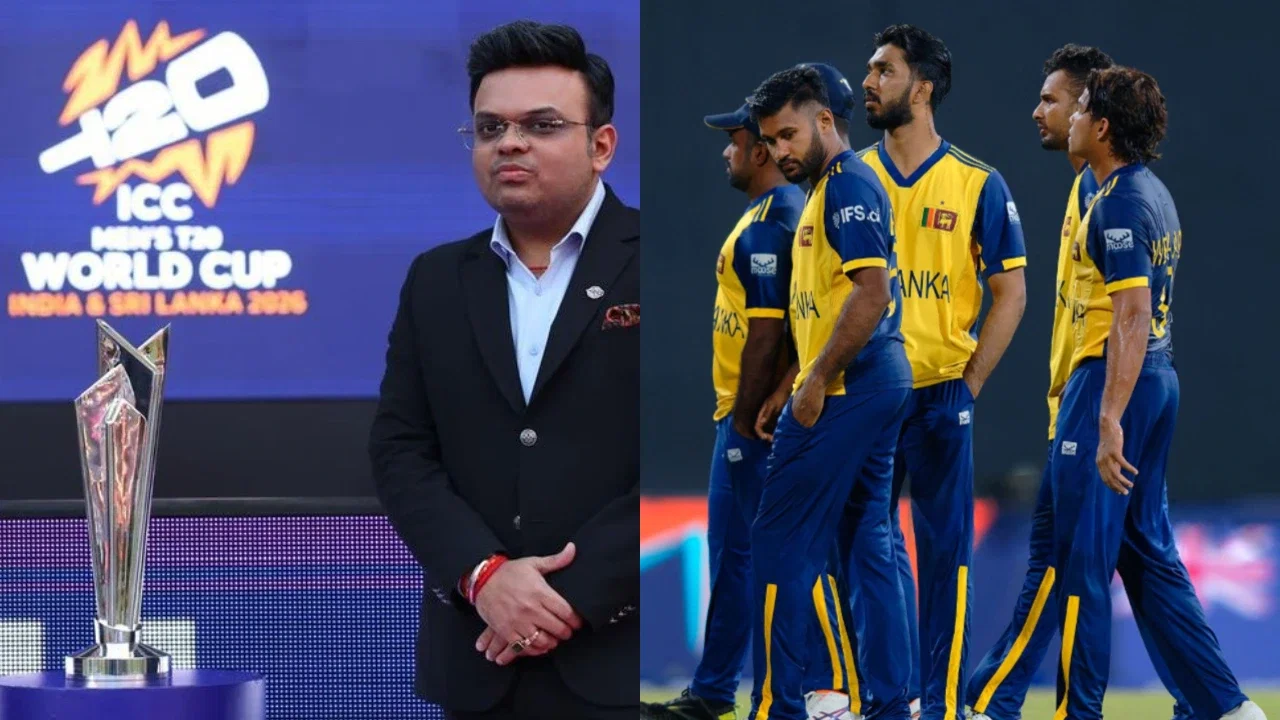
The landscape of Sri Lankan cricket has reached a critical juncture. Following the resignation of President Shammi Silva and the entire executive committee, a high-level delegation from the International Cricket Council (ICC)—including Deputy Chairman Imran Khwaja and a senior BCCI official—has arrived in Colombo. This visit comes as the sport’s world governing body seeks clarity on the drastic administrative changes currently shaking the foundation of the island nation’s cricket board.
Governmental Intervention and the Transformation Committee
The turmoil began in earnest on April 29, when the Sri Lankan government took the unprecedented step of removing the top leadership at Sri Lanka Cricket (SLC). In their place, a nine-person ‘Transformation Committee’ was appointed, signaling a shift toward direct oversight. This committee is chaired by opposition politician Eran Wickramaratne and includes only three former cricketing icons: Kumar Sangakkara, Roshan Mahanama, and Sidath Wettimuny.
Wickramaratne has stated that the committee’s immediate focus is a total overhaul of the existing governance framework. Industry observers suggest that this mandate may extend to a complete redrafting of the SLC Constitution, aiming to address the structural issues that have plagued the board for years.
The ICC’s Stance on Governance
The arrival of the ICC delegation in Colombo is primarily driven by concerns regarding potential governmental interference. Under the ICC’s stringent regulations, independent governance is a cornerstone of membership. The body traditionally takes a hard line against boards where national governments influence day-to-day operations. The current uncertainty stems from the fact that while the appointment of the Transformation Committee was known informally, Sri Lanka’s Sports Minister, Sunil Kumara Gamage, confirmed that the government had not formally communicated the change to the ICC in the standard, official capacity.
This is not the first time the ICC has intervened in Sri Lankan cricket affairs. In 2023, the board faced suspension after Shammi Silva alleged that the then-Sports Minister was exerting undue influence over the board’s activities. Given this history, the cricket world is watching closely to see what, if any, sanctions might be applied following the latest developments.
The Path to Resignation
The mass resignation of the Silva-led executive committee followed a pivotal meeting with Sri Lankan President Anura Kumara Dissanayake. Reports suggest that the government’s decisive action was fueled by growing public and political frustration over the declining performance of the national men’s cricket team. The executive committee, recognizing the shifting political tide, stepped down with immediate effect, clearing the path for the interim body to assume responsibility.
Looking Ahead: Challenges on the Field
Despite the administrative chaos, the sport remains at the forefront of the national agenda. Sri Lanka has recently appointed Gary Kirsten as head coach, a strategic move intended to bolster the team’s technical capabilities. The squad is now preparing for a crucial white-ball series against the West Indies, scheduled to take place between June 3 and June 15.
The upcoming series will consist of three ODIs and three T20Is. Whether the team can maintain focus amid the swirling administrative uncertainty will be a major test of their professional resolve. For the supporters of Sri Lankan cricket, the hope is that this period of transition will provide the stability needed to restore the team to its former heights on the international stage.
As the ICC delegation completes its assessment, the future of the SLC’s governance remains in the balance. The cricket fraternity continues to await further word on whether the Transformation Committee will be recognized as a legitimate temporary body or if the board will face further challenges to its international standing.