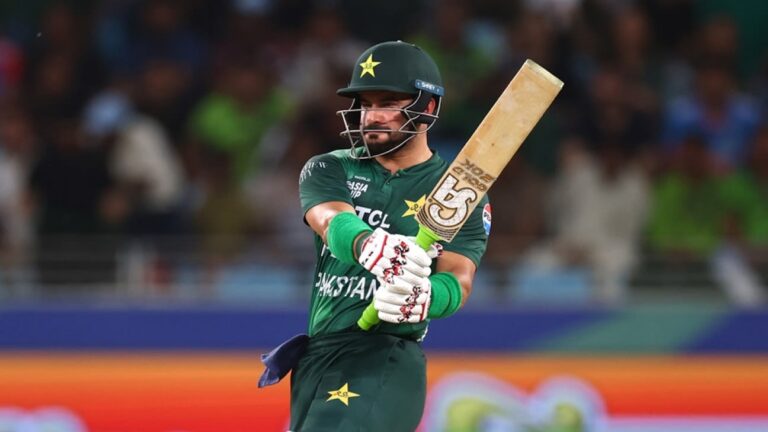
The Mystery Behind Pakistan’s Pace Decline: Umar Gul Breaks Down the Struggle
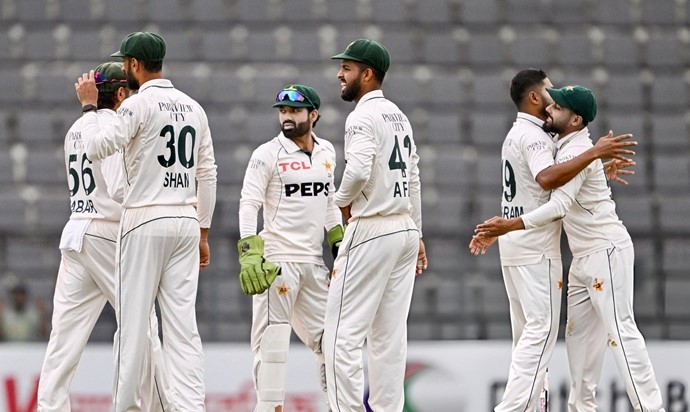
A Legacy of Speed Facing New Realities
For decades, the mention of Pakistan cricket was synonymous with lightning-fast deliveries and lethal yorkers. From the legendary swing of Wasim Akram and the reverse-swing mastery of Waqar Younis to the terrifying raw velocity of Shoaib Akhtar, Pakistan was the undisputed factory of world-class fast bowlers. However, recent performances have left fans and experts questioning why the team is struggling to maintain consistent speeds, often dipping below the 135 kph mark. As the nation grapples with this performance shift, former pacer and current coach Umar Gul has offered a candid assessment of the situation.
It’s Not Just About Velocity
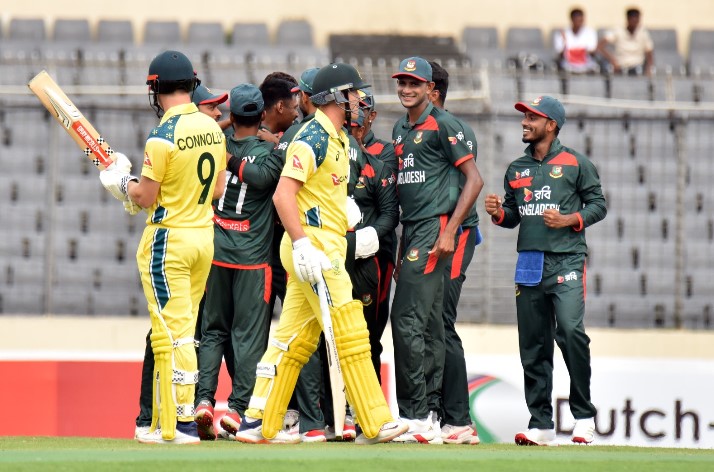
Umar Gul, a man who knows a thing or two about bowling at pace, believes that the narrative surrounding Pakistan’s bowling is slightly skewed. He argues that the performance dip is not merely a result of poor form or lack of effort. Instead, he points to the commendable resilience of opposing batters—specifically the Bangladeshi lineup—and a string of unfortunate moments that made the bowling appear less threatening than it truly was.
“Bangladeshi batters have batted really well,” Gul explained. “In some moments we were unlucky. We missed chances in reviews and couldn’t get Litton Das out. But that’s part of cricket. Sometimes luck is on your side, sometimes it isn’t. The bowlers tried hard, but the results didn’t go our way.”
The Challenge of Red-Ball Rhythm
When pressed on the noticeable drop in pace, Gul pushed back against the idea that Pakistan has lost its ability to produce fast bowlers. He emphasized that the issue is not a permanent decline in talent or capability. Rather, it is a matter of specific preparation for the longest format of the game.
“We still have bowlers who can bowl 140 kph in PSL and ODI cricket,” Gul asserted. “But in red-ball cricket, the pace drops a bit. We don’t play enough Test cricket these days. Because of that, bowling muscles and bowling memory don’t develop properly. Both mental and physical preparation are important. The bowlers have given everything, they are bowling long spells.”
Scheduling and the Rust Factor
One of the most significant points Gul raised is the lack of continuity in red-ball cricket. Pakistan’s Test calendar has been sparse, leaving bowlers with long gaps between appearances in the whites. This absence of match rhythm is arguably the biggest obstacle to maintaining peak velocity.
“The last time we played red-ball cricket was in October. After more than six months, we came back again. So maybe the pace looks slightly down, but the energy is still there. On top of that, the heat and humidity here also play a role,” he noted. The physical toll of playing in challenging, humid conditions further compounds the fatigue experienced by bowlers who have not had sufficient match-practice to condition their bodies for the rigors of Test cricket.
The Need for Better Preparation
Gul was transparent about the shortcomings in the team’s build-up to the series. He acknowledged that the team would have benefited significantly from more red-ball practice matches, but attributed the lack of preparation to a crowded international and domestic calendar.
“Before any series, preparation in that format is important. But because of scheduling, PSL and other commitments, we worked with the players we had in camp. We didn’t get enough match practice after that. Even in Karachi, the conditions were very hot,” he added. This admission highlights a broader systemic challenge: balancing the lucrative T20 leagues like the PSL with the enduring demands of international Test cricket. Without a deliberate focus on red-ball preparation, Pakistan’s bowlers may continue to struggle to find that extra gear that once made them the most feared attack in the world.
Looking Ahead
While the frustration among supporters is understandable, the insights from the coaching staff suggest that the raw pace is still present, albeit currently misaligned with the requirements of Test cricket. Addressing the structural issues—specifically increasing red-ball match opportunities and ensuring bowlers are adequately prepared for the physical demands of long-format spells—will be crucial if Pakistan is to reclaim its reputation as a global pace powerhouse.