The Unfulfilled Dream of a Cricket Museum in Bangladesh
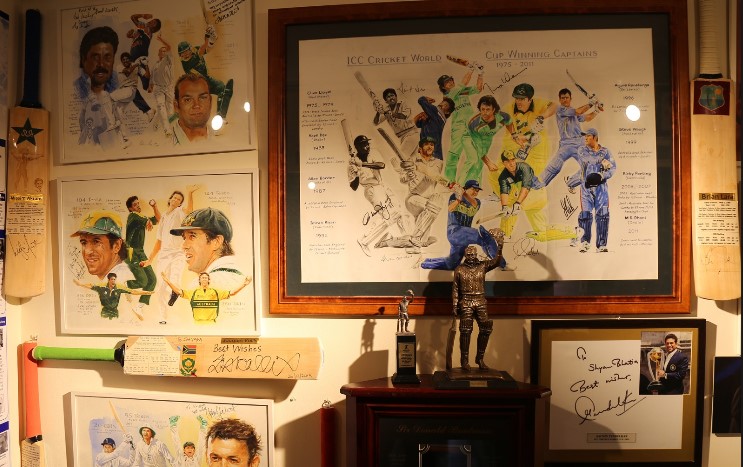
A Missing Chapter in Our Sporting Narrative
International Museum Day serves as a poignant reminder of the role museums play in uniting a fractured world. These institutions act as vital cultural bridges, connecting the echoes of the past with the vibrancy of the present. While Bangladesh has successfully established museums to honor its liberation struggle, military history, and even its currency, there remains a glaring void: the absence of a permanent home for the nation’s greatest cultural passion—cricket.
The Weight of Our Sporting Heritage
Since the dawn of independence, the shared journey of Bangladeshi cricket has been a primary source of national pride, collective joy, and occasional heartbreak. Decades of sacrifice and monumental achievements have defined the sport, yet the Bangladesh Cricket Board (BCB) currently lacks an institutional archive to house this history. For those who have dedicated years to collecting memorabilia, the loss of history that occurs with every passing day is deeply concerning.
Global standards for preserving cricketing heritage are well-established. From the hallowed halls of Lord’s in London—where the Marylebone Cricket Club (MCC) has maintained the world’s premier cricket museum since 1953—to the Bradman Museum in Australia and the newer Sri Lanka Cricket Museum, the world consistently honors its sporting heroes. Private collectors and historians in cities like Colombo, Dubai, and Kolkata have also stepped up, creating spaces where historic gear and match-worn treasures remain accessible to the public.
Where Do We Stand?
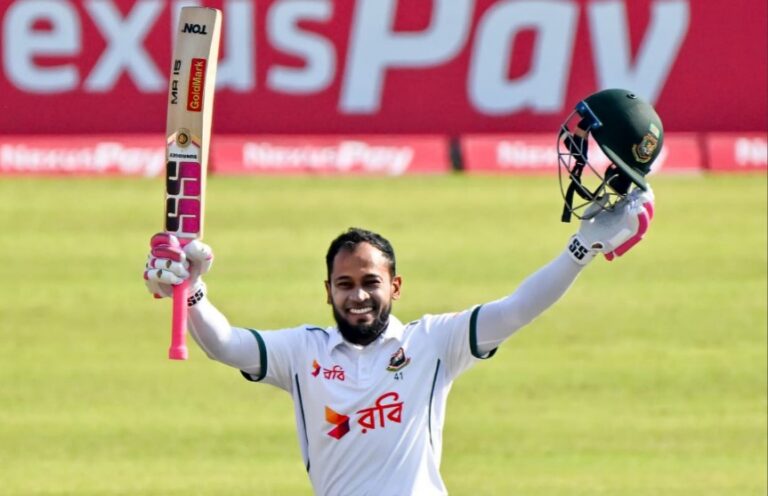
When traveling to these global institutions, the absence of Bangladesh is felt acutely. At the Lord’s Museum, the monumental history of our debut Test is represented by a single item: the bat used by Aminul Islam Bulbul to score his historic century. Records of legendary partnerships by stars like Shakib Al Hasan and Mushfiqur Rahim are celebrated on foreign walls, leaving a void in Dhaka that deserves to be filled.
Temporary Efforts vs. Lasting Legacy
In the past, efforts have been made to bridge this gap. Exhibitions organized at the Russian Cultural Centre and the National Museum showcased extraordinary treasures: signed bats from legends like Tendulkar and Lara, match-worn jerseys from the pioneering generation, and tickets from historic victories, including the iconic 2008 win over India. The public response to these temporary displays was overwhelming, highlighting a deep, unfulfilled hunger among the populace to engage with their own sporting identity. However, these temporary exhibitions cannot replace a permanent, professional museum. When the doors close, these invaluable artifacts are returned to storage, hidden from the public eye.
The Path Forward
Establishing a permanent cricket museum in Bangladesh is an ambitious but entirely achievable goal. It requires a synthesis of meticulous research, institutional support from the BCB, and a clear vision for financial sustainability. A dedicated wing within the Sher-e-Bangla National Stadium could serve as a starting point, eventually evolving into a self-sustaining institution fueled by tourism and ticketing.
The material exists, the history is written in the hearts of millions, and passionate curators are ready to serve. What remains is the necessity for political will. To the leadership of the BCB and the Ministry of Youth and Sports, the message is clear: the time for action is now. As Pablo Picasso once famously remarked, ‘Give me a museum and I will fill it.’ In the context of Bangladeshi cricket, we have the artifacts, the memories, and the passion. We simply need a home to call our own.
Conclusion
Preserving our cricketing history is not merely about keeping gear in glass cases; it is about honoring the spirit of the players who have carried the nation’s hopes and dreams for generations. It is time to move beyond temporary displays and create a permanent monument to the sport that defines our national character.