Mohsin Naqvi Skips IPL Final: The Truth Behind the Ahmedabad ICC Meeting
Contents
Clarifying the Rumors Surrounding Mohsin Naqvi
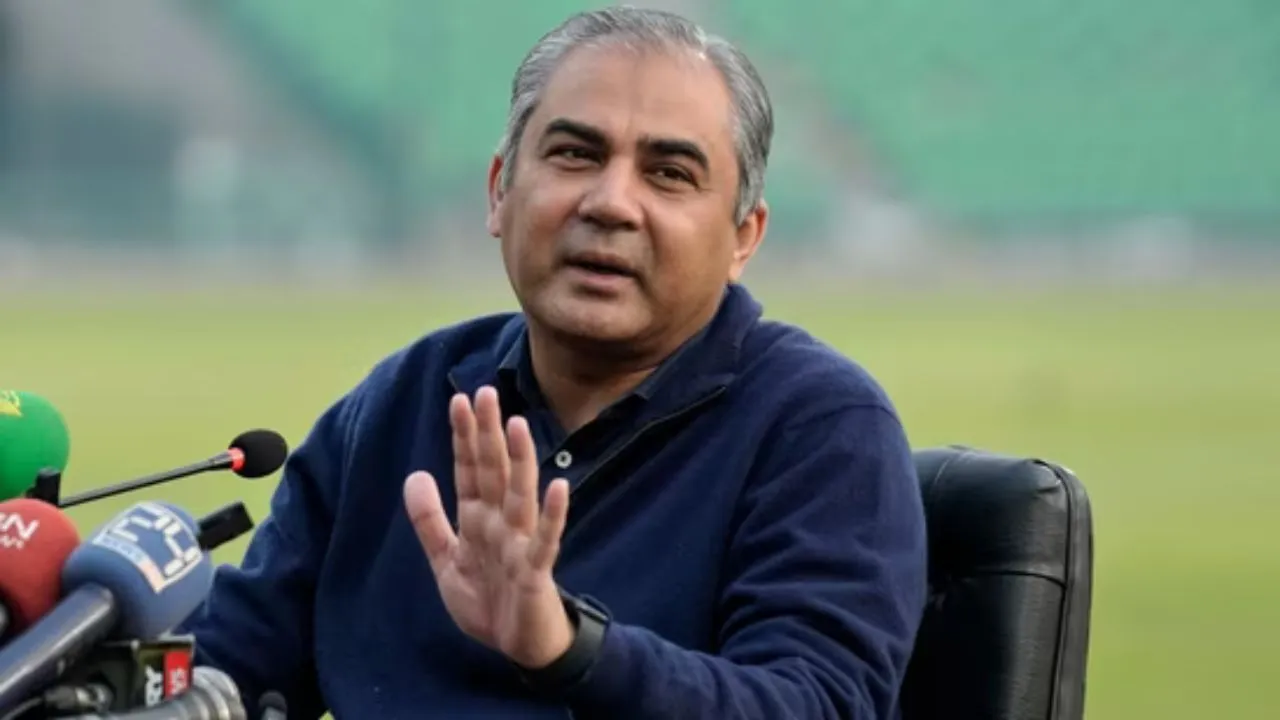
In recent weeks, speculation has swirled regarding the travel plans of Pakistan Cricket Board (PCB) Chairman Mohsin Naqvi. Reports had suggested that Naqvi might travel to India to attend the IPL 2026 final at the Narendra Modi Stadium in Ahmedabad. However, it has now been officially clarified that the PCB Chairman will not be making the trip to India for the prestigious event.
The confusion stemmed from the scheduling of the ICC Board meeting, which is set to take place in Ahmedabad over two days, May 30 and 31. Because the IPL 2026 final is also slated for May 31 at the same venue, it was widely assumed that attendees of the administrative meeting would naturally be present for the cricket showcase. Despite this proximity, current reports, including those from PTI, confirm that Naqvi will not be present.
The Nature of the ICC Meeting
The ICC Board meeting is a significant fixture in the global cricket calendar, bringing together Board Directors, Chief Executives, Committee members, and the organization’s senior leadership. The primary agenda for this gathering is expected to focus on long-term strategic decisions, most notably the future of broadcasting rights as the ICC’s current deal with JioStar approaches its conclusion in 2027.
It is important to note that the ICC has standard protocols for attendance. Members who cannot attend in person are permitted to participate via video conference. It is expected that two other ICC Board members will utilize this virtual option, and should Mohsin Naqvi choose to join remotely, it would be entirely in line with established ICC practices.
Addressing the Misconceptions
Reports circulating in various media outlets, particularly within Pakistan, had suggested that the BCCI had personally extended an invitation to Naqvi for the IPL final. These claims have been refuted. If the PCB Chairman had traveled to India, it would have been strictly for the purpose of the ICC Board meeting rather than attendance at the IPL final. The separation of these two events—one an administrative governance meeting and the other a commercial sporting showcase—is vital for understanding the context of his non-attendance.
Logistical Challenges and Venue Changes
The path to this meeting has been anything but straightforward. Originally, the ICC had planned to host this gathering in Doha, Qatar, towards the end of March. However, geopolitical tensions, specifically the conflict involving the USA and Iran, necessitated a relocation and postponement. The meeting was subsequently rescheduled to take place in Ahmedabad nearly two months later.
IPL Chairman Arun Dhumal recently noted that the decision to shift the ICC Board meeting to Ahmedabad played a role in the BCCI’s choice to relocate the IPL final from its originally planned venue in Bengaluru. This chain of logistical adjustments highlights the complexities involved in managing international cricket governance in an unpredictable global environment.
The Broader Context of India-Pakistan Cricket Relations
Mohsin Naqvi’s tenure as PCB Chairman has been marked by his role in delicate negotiations between the PCB, the BCCI, and the ICC. He has been instrumental in navigating the complex landscape of bilateral cricket relations. A key agreement reached during the Champions Trophy last year established a framework for participation in ICC events hosted by either nation. Under this agreement, both countries have successfully navigated tournament participation without traveling to each other’s home soil, with matches moved to neutral venues like Dubai and Sri Lanka. As the sport continues to evolve, the focus remains on maintaining the integrity of international tournaments while respecting the unique political and logistical constraints that have defined recent years in the cricketing world.
Conclusion
As the cricketing community turns its attention to the IPL final and the vital governance discussions in Ahmedabad, the focus remains on the sport itself. While the rumors surrounding Naqvi’s attendance made for interesting headlines, the reality remains that the PCB Chairman will continue to engage with the ICC through the appropriate administrative channels. As we look ahead to the future of the game, the outcome of the ICC Board meeting regarding broadcasting rights and structural governance will undoubtedly hold far more weight for the sport’s longevity than the specific travel itinerary of individual board members.