Mohsin Naqvi Confirms Virtual Attendance for ICC Meeting in India
Contents
A Standoff Continues: PCB’s Stance on ICC Meeting in India
The geopolitical complexities involving India and Pakistan continue to cast a long shadow over international cricket. Following years of fractured bilateral relations, the Pakistan Cricket Board (PCB) has once again reiterated its firm position regarding participation in events held on Indian soil. This latest development comes as the International Cricket Council (ICC) prepares for a pivotal directors’ meeting scheduled to take place in Ahmedabad on May 30 and May 31.
Mohsin Naqvi Opts for Virtual Representation
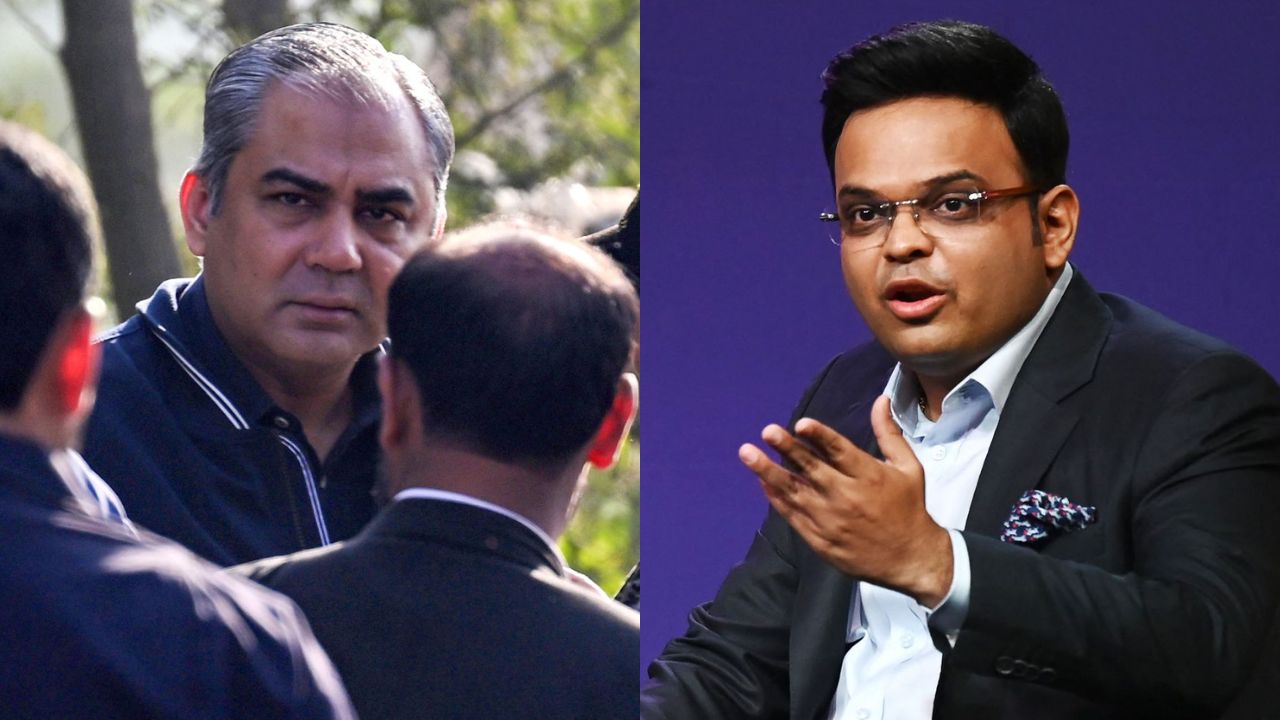
The ICC had extended a formal invitation to all member boards for the upcoming directors’ meeting. Given the administrative importance of the agenda, the physical presence of board chairs is generally anticipated. However, in a move that highlights the ongoing friction between the two nations, Mohsin Naqvi has confirmed that he will not be traveling to India. Instead, the PCB chief will participate in the discussions via video conference.
This decision contrasts with the expectations for other board representatives, who are widely expected to attend the meeting in person. While the PCB maintains its engagement with the ICC, the choice to conduct business remotely underscores the board’s persistent hardline approach, particularly in the wake of recent disputes regarding hosting rights and travel commitments for major ICC tournaments.
The Roots of the Diplomatic Friction
The current tension is deeply intertwined with the scheduling of major international fixtures. After India declined to travel to Pakistan for the ICC Champions Trophy 2025, the PCB adopted a reciprocal policy of strictly limiting cricket-related travel to India. The atmosphere has been further strained by a series of geopolitical and sporting controversies, including the relocation of matches and various off-field incidents during regional tournaments.
The relationship reached a point of significant strain after the 2023 World Cup in India, where expectations for a reciprocal tour to Pakistan in 2025 were not met. Subsequent events, ranging from security concerns to incidents during the Men’s Asia Cup, have prevented any meaningful thawing of relations. The frustration was palpable when, during recent tournament proceedings, the exchange of accolades between board officials was visibly impacted by the underlying political environment.
What is on the Agenda in Ahmedabad?
Originally slated to be held in Doha, Qatar, the meeting was moved to Ahmedabad due to the deteriorating security and geopolitical situation in West Asia. Despite the focus on the diplomatic standoff, the meeting serves a crucial purpose for the future of the sport. Among the primary topics for discussion is the future of Test cricket and the potential restructuring of the World Test Championship (WTC).
There is growing talk within the ICC regarding the sustainability of the current WTC format. Proposals to potentially include Associate members like Zimbabwe, Ireland, and Afghanistan are on the table, as is a radical suggestion to split the WTC into two distinct tiers of six teams each. The objective behind such a structural overhaul is to minimize lopsided contests and ensure a more competitive landscape for the longest format of the game. These discussions are part of a broader strategic review that the ICC expects to continue at the upcoming Annual General Meeting in Edinburgh, following the conclusion of the Women’s T20 World Cup in England.
Looking Ahead
As the cricket world watches, the situation remains a delicate balancing act. For the PCB, the decision to engage virtually represents a compromise—allowing them to fulfill their administrative duties as a full member of the ICC while staying true to their stated national policy. As these discussions in Ahmedabad commence, the global cricket community will be watching closely to see if any progress can be made on structural reforms, even if the bilateral path between India and Pakistan remains fraught with challenges.