‘Positive move’ – Gambhir throws his weight behind red-ball-pink-ball switch
A Proactive Approach to Test Cricket
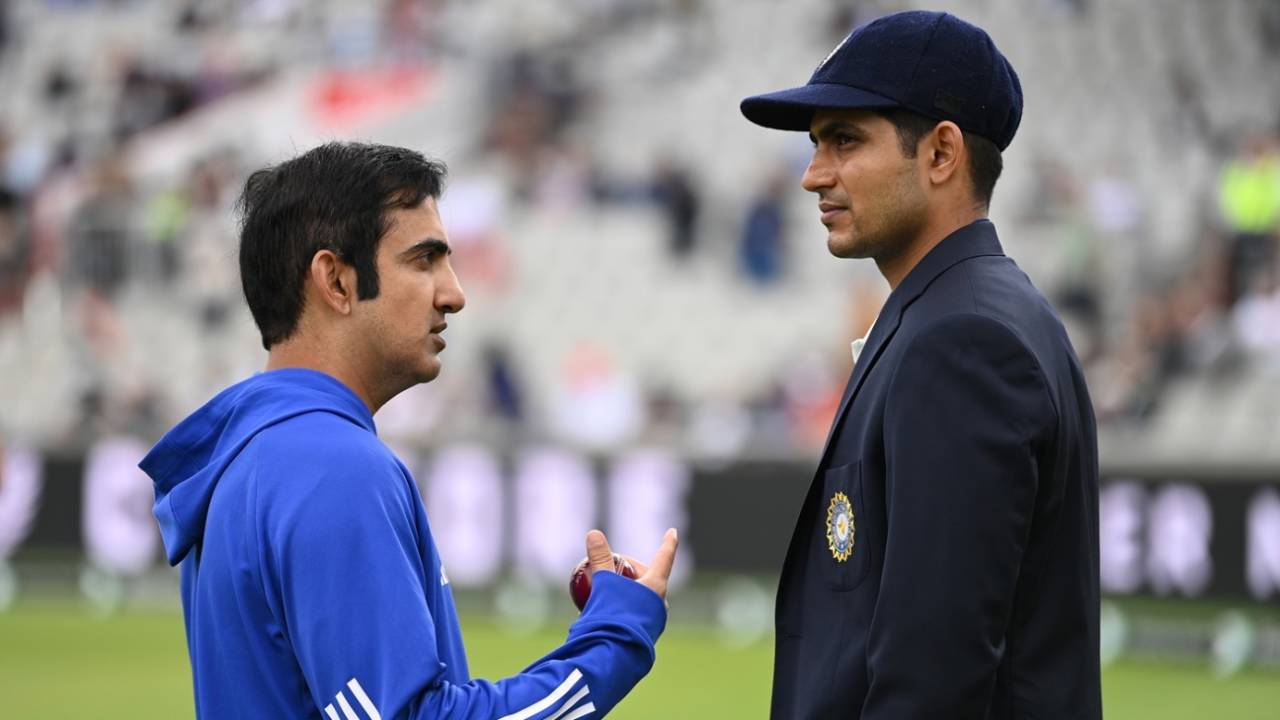
In a significant endorsement of evolving cricket protocols, India head coach Gautam Gambhir has signaled his strong support for the ICC‘s potential initiative to switch from a red ball to a pink ball during Test matches interrupted by poor light. Speaking on the eve of India’s one-off Test against Afghanistan in New Chandigarh, Gambhir highlighted the necessity of such measures to preserve the integrity of the game and ensure that external conditions do not rob teams of a potential result.
Prioritizing Results in the WTC Era
Gambhir’s reasoning centers on the competitive nature of modern Test cricket, especially within the context of the World Test Championship (WTC). ‘I love that because I’ve always believed that if there’s an opportunity to get a result, you should always have that opportunity,’ Gambhir stated. He emphasized that for teams in the thick of a race to qualify for the WTC final, losing a chance to win due to bad light is an unfair outcome after years of hard work.
Under the proposed framework, the switch would require the consent of both team captains. While Gambhir acknowledges the challenge this presents, he views it as a necessary evolution. ‘I know it could be a little unfair and difficult for the players, but imagine working hard for two years and the last Test match before the World Test Championship final, if you don’t play five days because of bad light, how unfair that could be. So I think it’s a proactive move, it’s a positive move, and, hopefully, the teams will start taking it in a positive way.’
Optimism Amidst Recent Challenges
Despite a recent 2-0 whitewash at the hands of South Africa at home, which left India in sixth place on the WTC table, Gambhir remains steadfast in his belief in the squad. He maintains that the quality and talent within the dressing room are sufficient to bridge the gap and eventually secure a spot in the WTC final. The head coach views the recent series as an anomaly rather than a decline in standard, emphasizing the collective hunger and belief permeating the team.
The Strategy for the No. 3 Spot
Beyond the ball-switching debate, Gambhir also addressed the ongoing tactical shifts within the Indian batting order. With Shubman Gill transitioning to the No. 4 position following the retirement of Virat Kohli from Test cricket, the No. 3 spot has become a focal point of discussion. While Devdutt Padikkal has displayed excellent form in the Ranji Trophy, scoring 543 runs at an average of 60.33, Gambhir has opted to give B Sai Sudharsan a continued opportunity.
Gambhir defended his decision to stick with Sudharsan, arguing that the young batter has not yet received a fair run at the international level. ‘Honestly, Sai hasn’t got a fair chance,’ Gambhir explained. ‘He has only played a handful of Test matches and he started his Test career in England, which we all know is not the easiest place to bat in.’ The coach also pointed to Sudharsan’s successful stint in the IPL as evidence of his quality.
A Commitment to Fairness
Addressing the competition for spots, Gambhir noted that the management is committed to providing players with a consistent run rather than constant chopping and changing. ‘If judging players by only four or five Test matches is good enough, then I feel that we will never be able to build something,’ he remarked. He assured that Padikkal would get his opportunity in due course, affirming that when that time comes, the team will ensure he receives a fair run to prove his worth, just as they are currently doing for Sudharsan.
As India looks toward future assignments in Sri Lanka and New Zealand, the focus remains on building a resilient and adaptable side. By championing policy changes like the pink-ball switch and committing to player development, Gambhir is setting a clear trajectory for the future of Indian Test cricket.