Ashwin sees ‘no reason’ why Kohli and Rohit shouldn’t play 2027 ODI World Cup
The Future of Two Legends
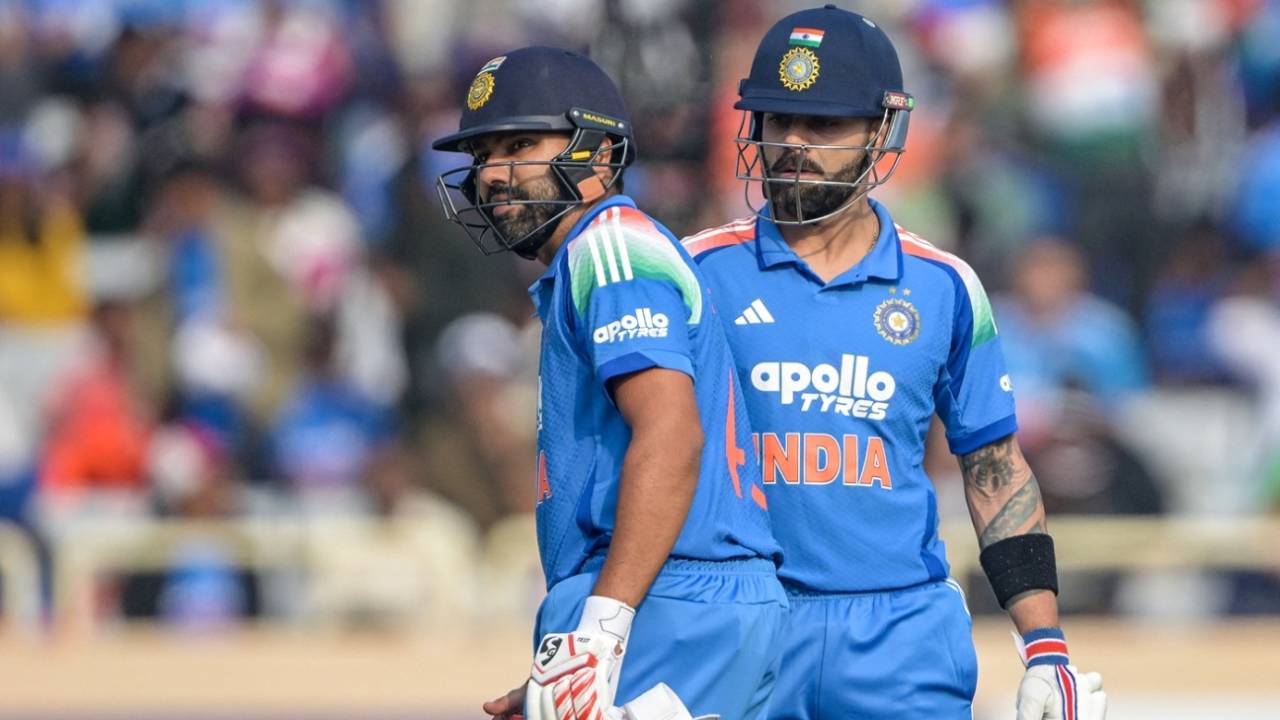
The conversation surrounding the longevity of Indian cricket icons Virat Kohli and Rohit Sharma has reached a fever pitch. With the 2027 ODI World Cup scheduled to be held in South Africa, Zimbabwe, and Namibia, the age factor has naturally become a central theme in cricketing circles. By the time the tournament commences, Kohli will be nearing 39, while Rohit will have crossed the 40-year threshold. Despite these numbers, former Indian offspinner R Ashwin has offered a refreshing perspective, suggesting that their participation is not only possible but highly beneficial.
The “Marriage” of Management and Players
Ashwin compared the potential journey of these two stalwarts to a marriage, emphasizing that success requires a harmonious relationship between the players and the team management. According to Ashwin, if the management identifies the need for their experience and provides the necessary support, the duo can certainly remain competitive. He noted, “If there is a proper rehab programme and there is something constructed around what they want to do, and if there are good vibes from the other half, the players will manage to make it.”
This symbiotic relationship is crucial. Ashwin points out that when players feel backed by those in charge, their willingness to put in the grueling hours of training increases exponentially. Conversely, any sense of doubt from the management could create unnecessary pressure, especially as the physical demands of international cricket become more strenuous for players over 35.
Form and Fitness: The Key Metrics
The argument for their inclusion is not based on sentiment alone. Since 2025, Kohli and Rohit have proven their worth with the bat, occupying the top two spots on India’s highest run-scorers list in ODIs. Kohli, in particular, has displayed remarkable form, accumulating 891 runs at an impressive average of 68.53, featuring four centuries and five fifties. Rohit has maintained a solid record as well, scoring 711 runs at an average of 44.43 with two centuries.
While fitness concerns are inevitable—as seen with Kohli’s recent hamstring injury and Rohit’s past struggles—Ashwin remains optimistic. He highlights that adapting to physical changes is part of the game for aging athletes. The key, he suggests, is a tailored approach to fitness that allows them to remain available for selection.
The Goal of Global Glory
Ashwin was particularly poignant regarding Rohit Sharma’s motivation. “He doesn’t have a 50-over World Cup in his kitbag yet,” Ashwin observed. The drive to achieve that final pinnacle of success is a powerful motivator for a player of Rohit’s caliber. Furthermore, the experience they bring to conditions in South Africa is invaluable. Playing in foreign conditions requires a depth of knowledge that only veterans like Kohli and Rohit possess.
Conclusion: Why Their Presence Matters
As India prepares for a series of ODIs leading up to 2027, the focus will remain on managing the workload of these two legends. Ashwin’s assessment provides a clear path forward: prioritize clear communication, implement professional rehab programs, and foster a culture of mutual respect. If these conditions are met, there is no technical reason why these two icons cannot grace the field in 2027. Their presence would undeniably make the Indian side a more formidable unit, blending the energy of youth with the tactical wisdom of two of the game’s greatest servants.
Ultimately, the decision rests on the collective vision of the selectors and the management. However, given their sustained performance and unwavering passion, the prospect of seeing Kohli and Rohit in the 2027 World Cup remains an enticing one for fans across the globe.