Litton Das shares untold details about Bangladesh missing T20 World Cup: A Candid Revelation
The decision for Bangladesh to miss the 2026 T20 World Cup in India stands as one of the most contentious moments in the nation’s cricket history. The Bangladesh Cricket Board (BCB) opted against sending its national team to the prestigious tournament, citing unaddressed security concerns. This move led to a cascade of events, including failed attempts to relocate Bangladesh’s matches to Sri Lanka, ultimately resulting in Scotland stepping in to fill their void in the competition. The reverberations of this decision are still felt across the Bangladeshi cricketing landscape, prompting ongoing discussions and scrutiny.
At the heart of the BCB’s stance and the subsequent negotiations was Dr. Asif Nazrul, then the Youth and Sports Adviser. He played a pivotal role in liaising with the International Cricket Council (ICC) regarding the venue dispute and the perceived security risks. Prior to the final announcement, the BCB also engaged with the national team’s players in a series of meetings. Now, in a revealing interview, Bangladesh’s T20 captain, Litton Das, has provided his perspective, offering fresh insights into these crucial discussions and the atmosphere surrounding them.
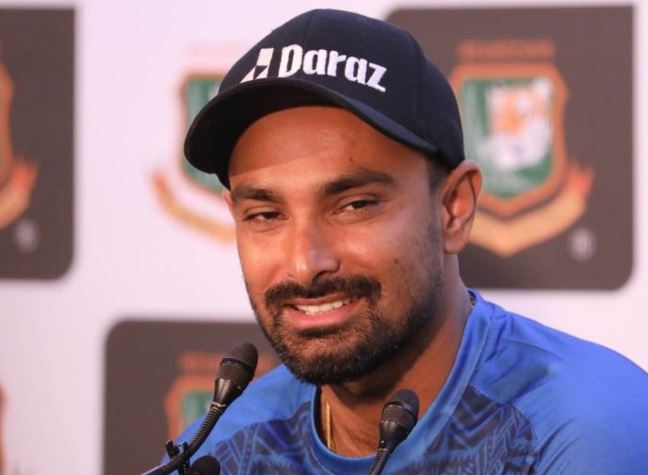
Speaking candidly to the Bangladeshi daily Prothom Alo, Litton Das suggested that the consultation process with the players felt more like a formality than a genuine solicitation of their opinions. His remarks paint a picture of a pre-determined outcome rather than an open dialogue. “There wasn’t really any question to answer there,” Litton recalled with a wry laugh, underscoring the nature of the meeting. He elaborated, “We basically went there to have tea and participate. It felt like it was being shown to the media that the players had been consulted. We were happy to sit in an air-conditioned room and have some tea.” This statement highlights a perceived disconnect between the official narrative of player consultation and the actual experience of the players themselves. It suggests that the primary objective might have been public relations rather than substantive input from the team.
Players’ Unwavering Desire to Play
According to Litton Das, despite the perceived ceremonial nature of the meeting, the players conveyed their fundamental desire unequivocally: to play cricket. This sentiment, he explained, was the core of their response when directly questioned about their preferences. “They asked us what we wanted. What else would players want? We said we wanted to play cricket,” Litton stated. This simple yet profound declaration encapsulates the ethos of any professional athlete – the innate drive to compete at the highest level, particularly in a global showcase like the T20 World Cup. For the players, the opportunity to represent their country on such a grand stage was paramount, eclipsing any external concerns that might have been dominating the administrative discussions. Their focus remained squarely on the sport itself.
Questioning the Security Concerns
A significant point of contention for Litton Das revolved around the security concerns cited by the BCB. He openly questioned the validity and severity of these claims, drawing a direct comparison to previous, more challenging cricketing tours. “The response from their side was that there were security issues in that country,” Litton explained, referring to India. He then challenged this premise by highlighting Bangladesh’s past experiences. “We told them that we had already played cricket in Pakistan, where armed guards stood outside our hotel rooms. What could be more serious than that? If we can play cricket in Pakistan, why not in India?” This powerful rhetorical question from the T20 captain underscores the players’ belief that the security justifications for skipping the T20 World Cup in India might have been overstated or inconsistently applied, especially when compared to their experiences in other regions perceived as high-risk.
The Final Decision: An Official Call
Litton Das was clear that, ultimately, the decision to withdraw from the tournament rested solely with the officials, not the players. Despite their expressed desire to play and their skepticism regarding the security claims, the team had no real power to alter the outcome. “That was entirely their call. As players, what more could we say?” he remarked, conveying a sense of helplessness and resignation within the team. This highlights the hierarchical structure of sports administration, where critical decisions, even those impacting player careers and national pride, are made at the top. The players, while central to the game, are often left to accept the directives from governing bodies.
A Humorous Retrospect on Past Comments
The issue surrounding Bangladesh’s absence from the T20 World Cup resurfaced when former Youth and Sports Adviser Dr. Asif Nazrul later claimed in a separate interview that the players had not actively stood up and demanded their participation in the World Cup. When questioned about these comments by the media, Litton Das responded with a characteristic blend of wit and subtle critique, showcasing his personality and perspective on the situation. “Is he still in that position now?” Litton quipped, inquiring about Dr. Nazrul’s current official standing. Upon being informed that Dr. Nazrul was no longer in office, Litton added with a knowing smile, “People can say many things once they’re no longer in office.” This light-hearted yet pointed response from Litton Das offered a veiled commentary on the nature of post-tenure remarks, suggesting that opinions might change or become bolder once the pressure of official responsibility is removed. It also reflects a common sentiment that individuals tend to speak more freely once they are no longer constrained by their previous roles.
The revelations from Litton Das offer a rare glimpse into the dynamics between players and administrators during a significant moment in Bangladesh cricket. His candidness not only sheds light on the specific decision to miss the 2026 T20 World Cup but also opens a broader conversation about player consultation, administrative transparency, and the perennial desire of athletes to compete on the world stage. The debate surrounding this contentious decision continues, and Litton Das’s “untold details” provide valuable context for understanding the complexities involved.