Kumar Sangakkara Joins Transformation Committee to Overhaul Sri Lanka Cricket
Contents
A New Era for Sri Lankan Cricket Governance
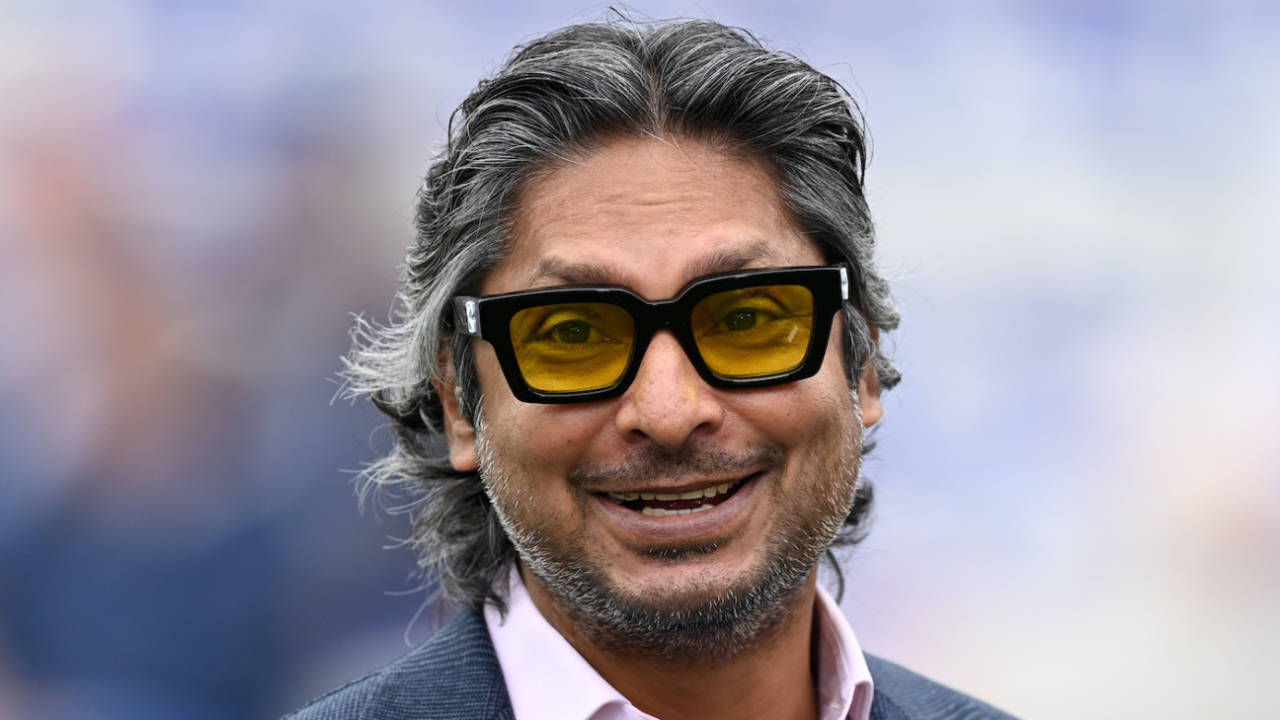
In a move that has sent shockwaves through the cricketing world, the Sri Lankan government has officially replaced the previous office bearers of Sri Lanka Cricket (SLC). Leading the charge for a brighter future is a newly appointed nine-member Transformation Committee, which boasts some of the most respected names in the sport, including iconic former captain Kumar Sangakkara.
The Committee Composition
The committee is a diverse blend of cricketing expertise, corporate acumen, and legal prowess. Alongside Sangakkara, the roster includes fellow legends Roshan Mahanama and Sidath Wettimuny. The group is chaired by Eran Wickramaratne, a former Member of Parliament. To ensure focus and neutrality, Wickramaratne has stepped away from his political affiliations within the Samagi Jana Balawegaya party to dedicate his full attention to this administrative overhaul.
The full list of appointees includes:
- Eran Wickramaratne (Politics/Corporate)
- Kumar Sangakkara (Cricket/Business)
- Roshan Mahanama (Cricket/Corporate)
- Sidath Wettimuny (Cricket/Corporate)
- Prakash Schaffter (Corporate/Cricket)
- Avanthi Colombage (Corporate)
- Thushira Radella (Corporate)
- Upul Kumarapperuma (Law/Politics)
- Dinal Phillips (Law)
Primary Objectives: Constitution and Excellence
Wickramaratne has outlined two critical pillars for the committee’s mandate. The first is a total overhaul of the existing governance framework. The current SLC constitution has been widely criticized for years, described by many as archaic and designed to empower non-performing bodies while enabling systemic corruption and mismanagement. By including legal experts Dinal Phillips and Upul Kumarapperuma, the committee is clearly signaling its intent to draft a modern, robust constitution that emphasizes transparency.
The second priority is to restore ‘excellence on the field.’ After several disappointing campaigns, including a poor showing at the recent T20 Men’s World Cup, the committee plans to implement world-class facilities and incentive structures. The goal is to provide national players with the environment necessary to compete at the highest level and return Sri Lanka to its status as a global cricketing powerhouse.
While the government-led nature of these changes is significant, there is a looming question regarding the International Cricket Council (ICC). Historically, the ICC has taken a stern stance against government interference in national cricket boards, having previously suspended SLC and reduced it to observer status during similar crises. However, the committee has expressed its absolute commitment to complying with ICC regulations, focusing on embedding professionalism and anti-corruption measures into the very DNA of the organization.
Addressing Systemic Dysfunction
The need for reform has been the subject of intense public debate. Former president Shammi Silva faced mounting pressure following a string of failures for both the men’s and women’s national teams since 2014. The fact that he was able to win the presidency uncontested multiple times, despite these dismal on-field results, became a focal point for critics who argued that the system was fundamentally broken. This Transformation Committee represents a concerted effort to break those cycles of stagnation.
As the cricketing world watches, the inclusion of individuals like Sangakkara and Wettimuny provides a glimmer of hope that the administrative rot can be cleared. Whether this committee can navigate the delicate balance of political transition and sporting excellence remains to be seen, but the intent to modernize Sri Lanka Cricket is undoubtedly a step in the right direction.