Shubman Gill Under Fire: The Truth Behind Auqib Nabi’s Afghanistan Test Snub
A Captaincy Under Scrutiny
The announcement of the Indian cricket squad for the highly anticipated one-off Test against Afghanistan has ignited a fierce debate across the cricketing fraternity. While the selectors have introduced several fresh faces, the decision to omit Jammu and Kashmir’s standout pacer, Auqib Nabi, has drawn significant criticism. At the center of this storm is captain Shubman Gill, whose influence on team selection is being heavily questioned by fans and pundits alike.
The Rise and Stagnation of Auqib Nabi
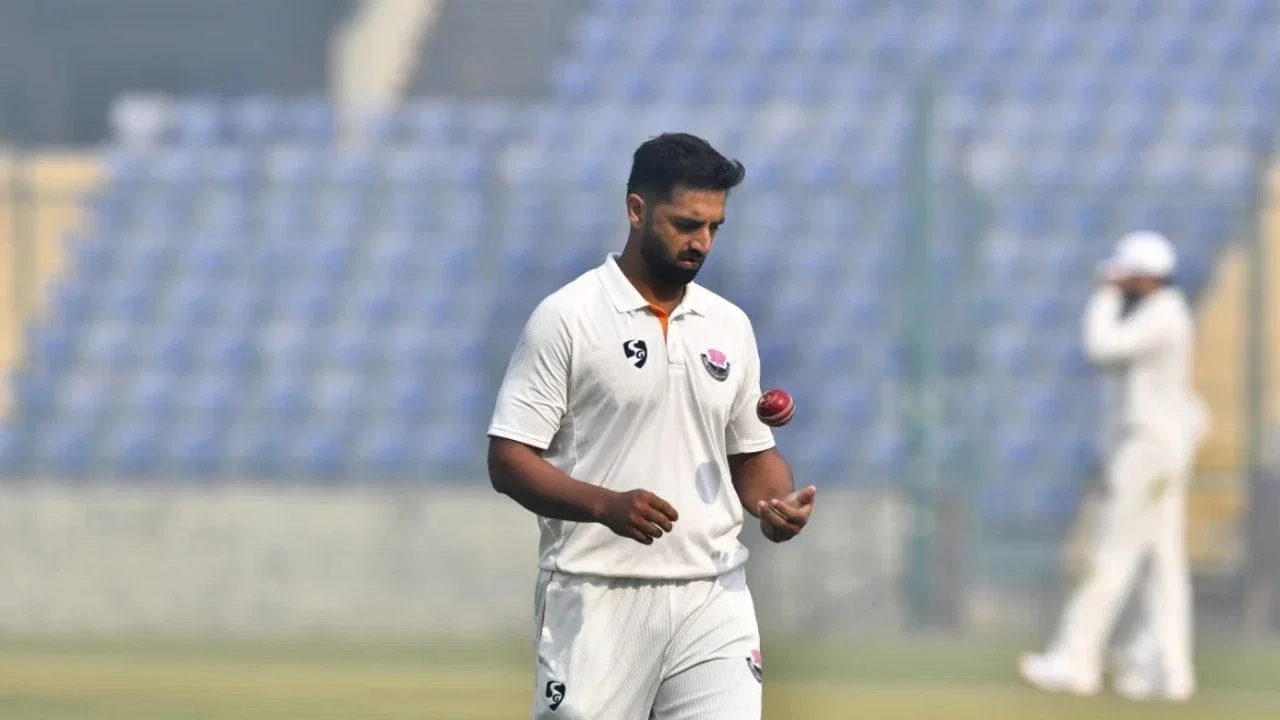
Auqib Nabi has been a revelation in domestic red-ball cricket. His contribution to Jammu and Kashmir’s historic Ranji Trophy victory cannot be overstated; he was a machine, claiming 60 wickets in just 17 innings. For many observers, such a prolific season should have been an automatic ticket to the national side. However, despite his consistent excellence, the selectors have opted to look elsewhere, fueling frustrations regarding the value placed on traditional domestic performances.
Former Indian batter Suresh Raina recently weighed in on the controversy, suggesting that the team management’s preference for specific bowling profiles might have hindered Nabi’s path. During a broadcast discussion, Raina remarked that while Nabi deserved a place based on merit, the captain likely provided input on the specific type of bowlers he wanted for the conditions in New Chandigarh.
The Selection Dilemma: IPL vs. Ranji Trophy
The exclusion of Nabi highlights a recurring tension in Indian cricket: the balance between rewarding IPL success and honoring Ranji Trophy achievements. The squad for the Afghanistan Test features several youngsters, including Manav Suthar, Harsh Dubey, and Gurnoor Brar, all of whom impressed during the 2026 IPL season. While these players possess undeniable talent, critics argue that the reliance on white-ball form for Test selections undermines the integrity of the domestic first-class structure.
Specifically, the selection of Gurnoor Brar over Nabi has raised eyebrows. Brar, a tall 6’5 fast bowler, has shown flashes of promise but lacks the consistent game time that defined Nabi’s recent campaigns. While Brar boasts 52 wickets in 18 matches, his sporadic participation in domestic cricket over the last few years makes his inclusion a point of contention for purists who prioritize match-readiness and long-term domestic dominance.
Workload Management and Strategic Shifts
As part of a broader strategy, the selectors have opted to rest Jasprit Bumrah for the Afghanistan series, citing workload management. This vacancy in the pace department presented an ideal opportunity to test a bowler like Nabi, who has proven he can shoulder a heavy burden. Instead, the team has turned toward a group of emerging talents, signaling a clear shift in how the current leadership, including Gill and the selection committee led by Ajit Agarkar, envisions the future of the Indian Test bowling unit.
What Lies Ahead for the Indian Test Side?
The squad for the one-off Test includes: Shubman Gill (c), Yashasvi Jaiswal, KL Rahul (vc), Sai Sudharsan, Rishabh Pant, Devdutt Padikkal, Dhruv Jurel, Washington Sundar, Mohammed Siraj, Kuldeep Yadav, Nitish Kumar Reddy, Manav Suthar, Prasidh Krishna, Gurnoor Brar, and Harsh Dubey.
With the match scheduled to begin on June 6 in New Chandigarh, all eyes will be on the playing eleven. If the selected bowlers fail to make an immediate impact, the pressure on Shubman Gill regarding the Nabi exclusion is only likely to intensify. The debate serves as a stark reminder of the immense expectations placed on the shoulders of the Indian captain and the constant scrutiny surrounding every selection decision in a nation where cricket is more than just a sport.
Ultimately, the challenge for the Indian management will be to ensure that the selection process remains transparent and equitable. While strategic preferences are a natural part of team building, the exclusion of a top-performing domestic player like Auqib Nabi necessitates a clear explanation to maintain the credibility of the path from the Ranji Trophy to the international stage.