Shahid Afridi Dinner with Uzair Baloch: Old Photo Sparks Online Firestorm
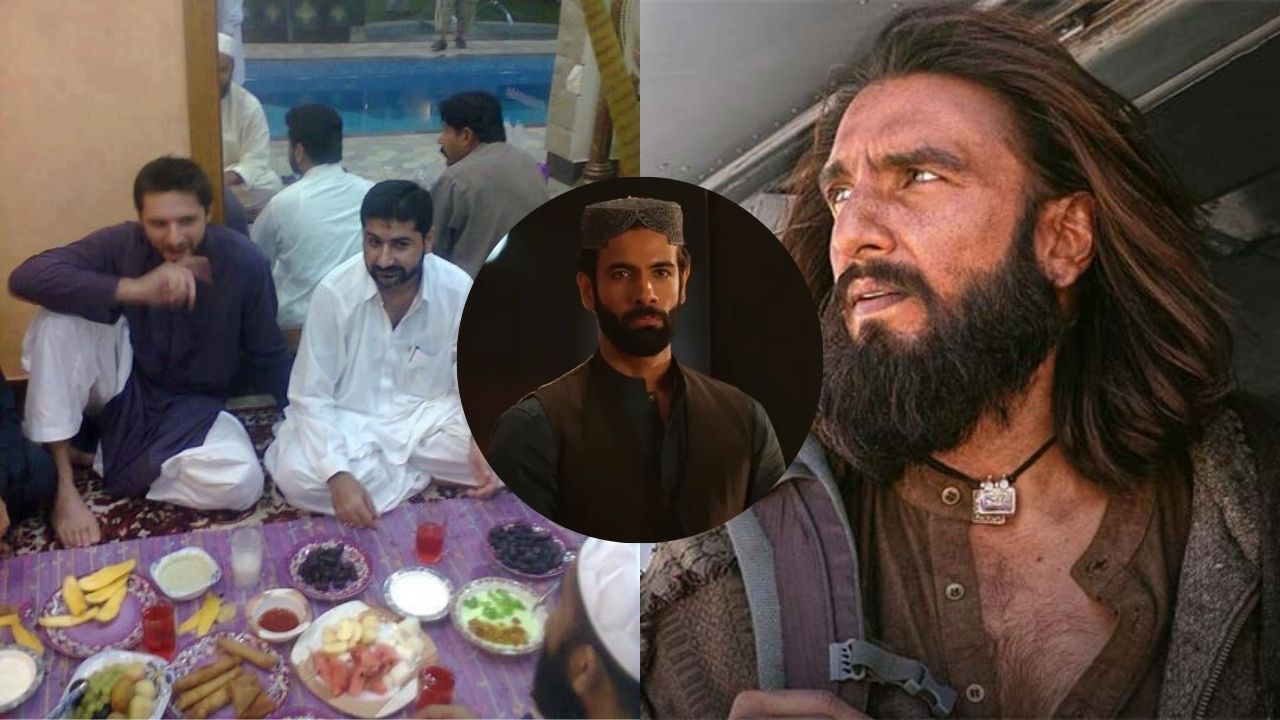
In a digital era where the past never truly stays buried, a 2013 photograph of legendary Pakistani cricketer Shahid Afridi sharing a dinner table with Uzair Baloch—the alleged leader of the Lyari gang network—has resurfaced, setting social media ablaze.
Old Image, New Backlash
The image, originally shared years ago but now gaining viral traction, shows Afridi in casual conversation with Baloch, a figure linked to extortion, targeted killings, and organized violence in Karachi. Baloch was arrested in 2016 by Pakistani authorities and has since become one of the country’s most high-profile criminal convicts.
The renewed attention comes amid the release of Bollywood’s fictionalized portrayal of Baloch in the film Dhurandhar, where a character named Uzair Baloch is depicted as a gangster involved in anti-India activities. Though the movie is dramatized, the real-world parallels have fueled public scrutiny.
Why This Photo Matters Now
While the dinner took place over a decade ago, its re-emergence has prompted criticism—especially from Indian cricket fans and digital communities. Many are questioning Afridi’s associations and citing them as evidence of his long-standing controversial stance toward India.
This is far from the first time Afridi has been at the center of political controversy. In 2018, he sparked outrage with a tweet condemning India’s actions in Kashmir, describing the situation as “appalling” and criticizing the suppression of self-determination. Over the years, he has made numerous public remarks criticizing Indian media, politics, and military actions.
During heightened India-Pakistan tensions in 2025, Afridi even hosted a pro-Pakistan army victory rally and shared social media posts perceived as derogatory toward the Indian armed forces—further cementing his polarizing image in India.
A National Hero at Home
Despite the backlash abroad, Shahid Afridi remains a celebrated figure in Pakistan. On May 13, 2026, he was awarded the Hilal-e-Imtiaz, Pakistan’s second-highest civilian honor, by President Asif Ali Zardari at a ceremony held at Aiwan-e-Sadr.
This prestigious recognition places him alongside cricketing greats like Imran Khan, Wasim Akram, and Waqar Younis—marking a moment of national pride.
Afridi’s on-field legacy is undeniable. With over 500 international appearances across formats, he became a symbol of Pakistan’s aggressive white-ball cricket identity. His explosive 37-ball century against Sri Lanka in Nairobi in 1996—then the fastest ODI hundred in history—catapulted him into global stardom and remains etched in cricket folklore.
Separating Sport from Politics?
The resurfaced photo raises difficult questions about the intersection of sports, fame, and political association. While no evidence suggests Afridi supported or endorsed Baloch’s criminal activities, the optics of the image have reignited debates about accountability for public figures.
Fans are divided: some argue that a single photograph should not define a man’s legacy, especially one with a storied sports career and philanthropic work; others believe that proximity to alleged criminals and consistent anti-India rhetoric reflect deeper patterns.
What remains clear is that in the court of public opinion, especially online, the lines between athlete and activist are increasingly blurred.
Legacy Under Scrutiny
As discussions continue across platforms, Shahid Afridi’s story serves as a reminder that icons are complex. Revered at home, controversial abroad, his journey reflects the intense politicization of sports in South Asia.
For now, the dinner photo isn’t just about a meal shared a decade ago—it’s about how the past returns to shape the present, especially in an age where memory is digital and forgiveness is fleeting.