Sanju Samson vs Ruturaj Gaikwad: Is a CSK Captaincy Change Needed?
The Pressure Mounting on Ruturaj Gaikwad
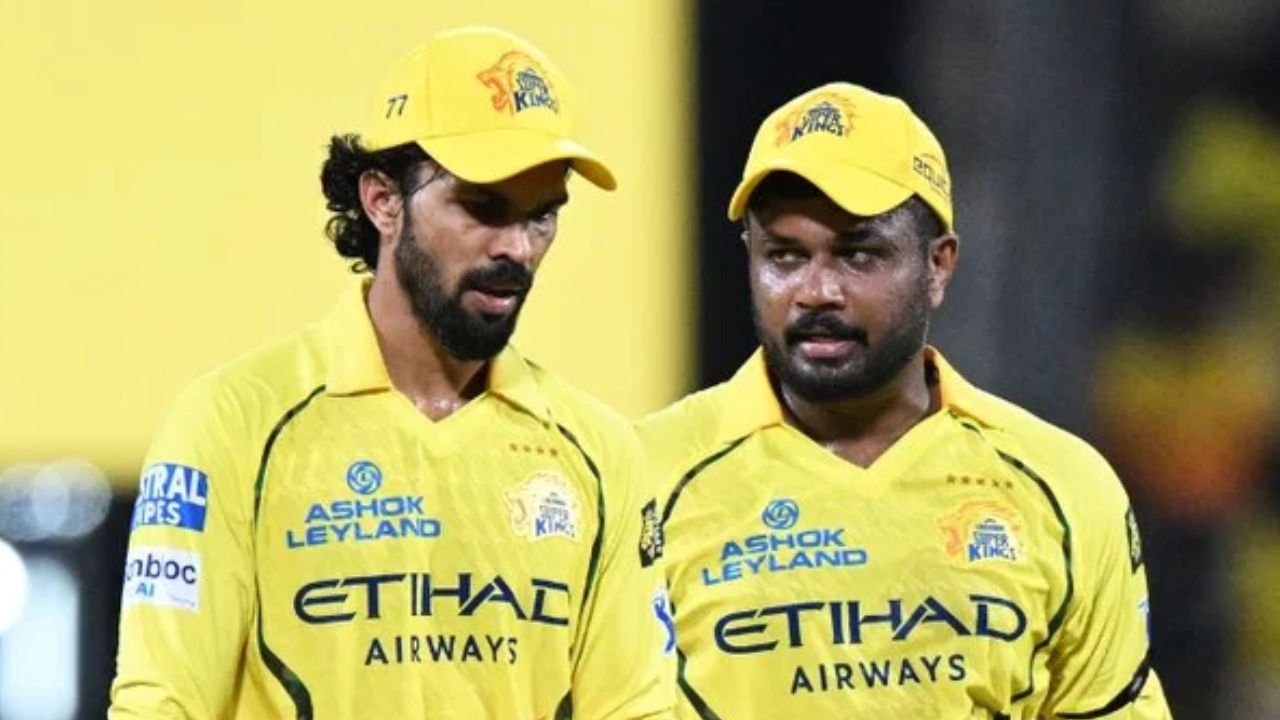
The 2026 Indian Premier League (IPL) season has been a taxing one for the Chennai Super Kings (CSK). A crushing home defeat against the Sunrisers Hyderabad served as the final blow to their playoff aspirations, placing the spotlight firmly on the team’s leadership. Ruturaj Gaikwad, who stepped into the immense shoes left by MS Dhoni, now finds himself at the center of a growing debate regarding his long-term suitability as the franchise leader.

As the fanbase clamors for a resurgence, whispers about potential replacements have begun to circulate. Among the names frequently mentioned is Rajasthan Royals’ skipper, Sanju Samson. With Gaikwad struggling to find his rhythm both as a leader and a batter, it is time to look at the cold, hard statistics behind this potential transition.
Ruturaj Gaikwad’s Captaincy Tenure: A Statistical Analysis
Taking over the reins of a storied franchise like CSK is no small feat. Gaikwad’s two-year tenure, however, has failed to yield a top-four finish. In 32 matches as captain, he has secured 14 wins against 18 losses, reflecting a win/loss ratio of 0.777. The 2026 season has proven particularly grim, with the team failing to find the consistency required to challenge the league leaders.
Individually, Gaikwad’s form has seen a concerning dip. While he has accumulated 1,026 runs in these 32 innings, his 2026 performance—averaging 29.18 at a strike rate of 120.68—falls short of contemporary T20 standards. Furthermore, his performance reveals a drastic reliance on home conditions at Chepauk, where he averages 59.11, compared to a stark 26.11 in away matches.
Sanju Samson: A Case for Stability
In contrast, Sanju Samson’s tenure with the Rajasthan Royals since 2021 has been characterized by greater stability. With a win/loss ratio of 1.031, Samson has successfully guided his team to the knockout stages on two occasions. Unlike Gaikwad, Samson has demonstrated that the weight of captaincy often enhances his batting performance, showing an upward trajectory in his stats since taking the leadership role.
A critical differentiator is Samson’s adaptability. While Gaikwad struggles away from home, Samson maintains a balanced average of 35.61 at home and 37.95 in away conditions. This consistency suggests a more robust tactical maturity when navigating the diverse challenges of the IPL circuit.
Tactical Differences: Chasing vs. Setting Targets
The tactical divergence between the two is most evident in how they manage game situations. Gaikwad’s effectiveness is heavily tied to batting first, where he averages 47.34. However, his performance when chasing drops significantly to 30.36. Conversely, Samson demonstrates superior capability in the second innings, averaging 39.87 when fielding first. This skill set is invaluable in the modern game, where the ability to manage a chase often dictates the difference between victory and defeat.
Conclusion: Is a Change on the Horizon?
Changing a captain is a monumental decision for a team like CSK, which has built its legacy on stability and continuity. However, the data paints a compelling picture. Sanju Samson’s five years of experience and his superior win/loss record offer a glimpse of what a more seasoned hand might achieve with the current CSK roster. As the franchise looks toward the 2027 season, the statistical edge currently favors a change in leadership. Whether the management decides to stay the course with Gaikwad or pursue a new direction with a leader like Samson remains one of the most anticipated narratives of the upcoming off-season.