Ruturaj Gaikwad Joins Unwanted IPL Record List Amid Struggles vs SRH
A Night to Forget at Chepauk
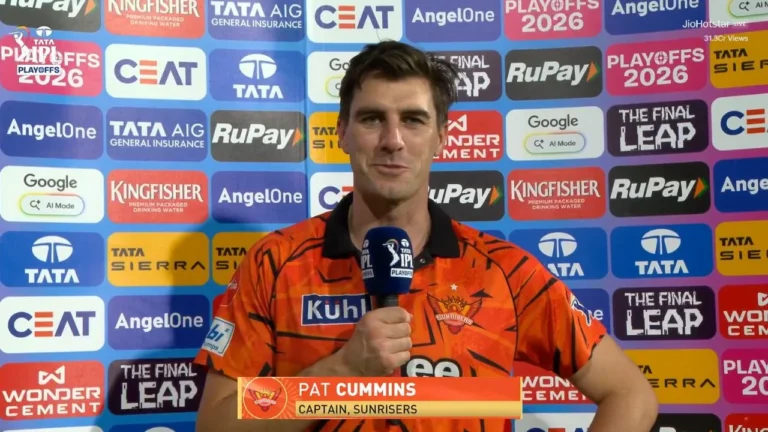
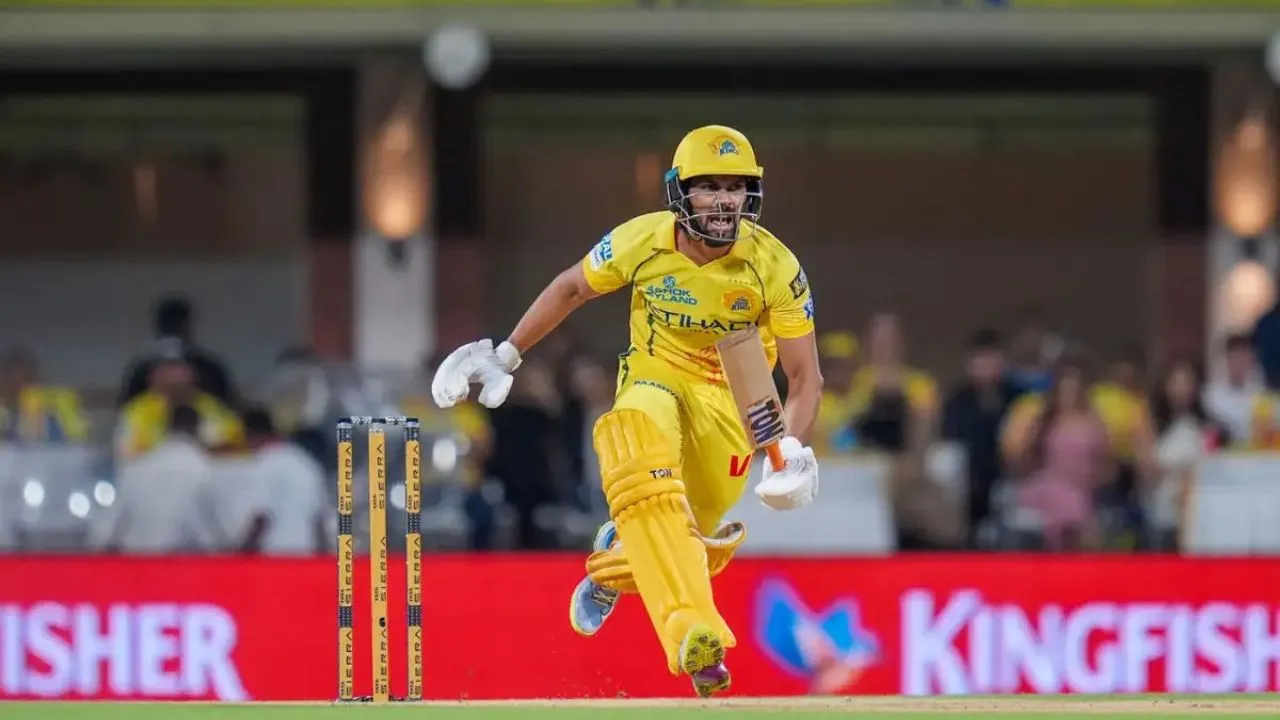
The final home game of the IPL 2026 season for the Chennai Super Kings (CSK) was meant to be a celebration at the iconic Chepauk stadium. However, for captain Ruturaj Gaikwad, the evening against the Sunrisers Hyderabad (SRH) proved to be an uphill battle. With fans expecting a dominant performance to close out the home stretch, the skipper struggled to find his rhythm against a disciplined bowling attack led by Pat Cummins.
The Unwanted Milestone
Gaikwad’s struggle was highlighted by a sluggish knock that saw him manage only 15 runs from 21 balls. Operating at a strike rate of just 71.43, he was unable to clear the ropes or find the boundary throughout his stay at the crease. This performance pushed him into a rather infamous category in Indian Premier League history: the list of batters who have faced a high number of balls in an innings without hitting a single four or six.
By failing to register a boundary during his 21-ball stay, Gaikwad has officially joined an unwanted club that features some of the biggest names in the sport. This record tracks the most balls faced in an IPL innings without a single boundary, a statistic that usually signals a struggle against the pace or spin of the opposition.
Joining Elite Company
It is perhaps surprising to see the names currently occupying this list. Joining the likes of legendary wicket-keeper MS Dhoni—who appears in this specific register for four different innings—and the explosive Rohit Sharma, Gaikwad finds himself at the 8th spot. Even Australian maestro Steve Smith once endured a similar outing, scoring 34 runs off 39 balls against the Sunrisers without finding the boundary, proving that even the most technically gifted players can get bogged down in the high-pressure environment of the IPL.
Context of the Match
The dismissal came in the 12th over when Pat Cummins successfully lured Gaikwad into a shot, resulting in a catch by Eshan Malinga. At the time of his departure, the Chennai Super Kings were positioned at 100 runs. Despite the captain’s slow start, the middle order managed to stabilize the ship. Dewald Brevis provided the much-needed impetus, scoring a brisk 44 off 27 deliveries, while Kartik Sharma contributed a valuable 32 off 19, eventually pushing the total to 180 runs.
Analyzing the Performance
The 2026 season has been a rollercoaster for the CSK captain. With his strike rate often under scrutiny, this particular innings against SRH served as a reminder of how quickly momentum can stall in T20 cricket. When a team is fighting for two crucial points to secure their playoff standing, every ball counts, and a lack of boundary-hitting options can put immense pressure on the rest of the batting lineup.
While every cricketer experiences phases of poor form, the spotlight on Gaikwad remains intense, given the weight of the captaincy and the expectations of the Chepauk faithful. Whether this performance is a mere blip or a cause for deeper technical concern remains to be seen as the tournament progresses toward its climax.
The Road Ahead
As the league stage concludes, CSK will need their skipper to return to his free-flowing best. The ability to rotate strike is essential, but at the top of the order, providing early boundaries is what sets the tone for the entire team. Fans and analysts alike will be watching closely to see how Gaikwad responds to this setback in the upcoming fixtures, as the margin for error in the IPL continues to shrink with every passing match.