Litton Das Reflects on Mirpur Conditions and Batting Averages
Contents
The Challenge of Home Conditions: Litton Das Opens Up
For any professional athlete, statistics are often the primary metric by which their career is defined. However, for Bangladesh wicketkeeper-batter Litton Das, the numbers tell only part of the story. In a candid conversation on the Bangladesh Cricket Board (BCB) podcast, Das reflected on his ODI career, noting that his current average—hovering around 30—does not necessarily capture his ability as a top-order batter. According to Das, the primary culprit behind these modest figures is the challenging nature of the surfaces at the Sher-e-Bangla National Cricket Stadium in Mirpur.
The Mirpur Factor: A Bowler’s Paradise
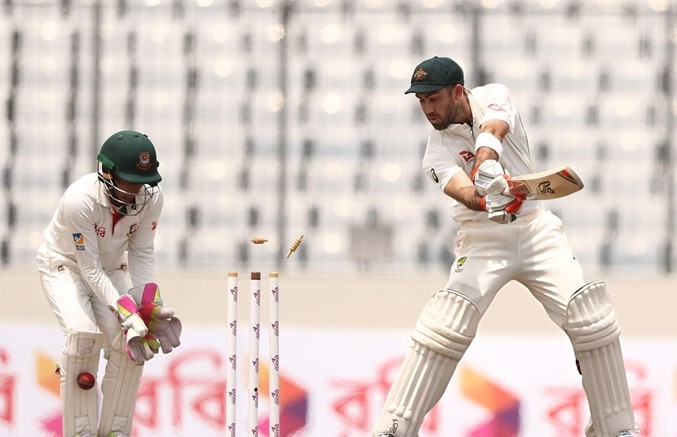
Over the years, the Sher-e-Bangla National Cricket Stadium has developed a reputation for being one of the most difficult venues for batters in international cricket. During much of Das’s tenure, the pitches were notoriously spin-friendly and unpredictable, making even modest totals difficult to chase. While high-scoring encounters have become the global norm in ODI and T20 cricket, Mirpur often remained a fortress where scores of 240 or 250 were considered highly competitive.
Das highlighted the inherent difficulty of these conditions, stating, “If I hadn’t played so many matches at Sher-e-Bangla, my average and strike rate wouldn’t be this low. Bowling there was very easy, batting was extremely difficult. Sometimes even bowlers themselves didn’t know what the ball would do, so how would the batter know? Many world-class batters came here and struggled.”
Reflecting on the Numbers
While acknowledging that an average of 30 is statistically mediocre by international standards, Das maintains that context is essential. He admits that if he were playing for a nation with more batting-friendly conditions, a figure in the thirties would be considered poor. However, in the context of Bangladesh’s unique home conditions, he believes it reflects the reality of the game they grew up playing. “There’s nothing to be proud of with a 30 average in ODIs. For Bangladesh, maybe it’s not too bad. I won’t say it’s excellent either. Considering the conditions we grew up playing in, it’s acceptable to some extent,” he explained.
The Path to Improvement
There is a sense of optimism in Das’s assessment of the future. The Bangladesh T20I captain believes that the quality of pitches in the country has begun to show significant improvement. He notes that the current trend of producing better batting surfaces is a welcomed change that will inevitably lead to inflated strike rates and healthier averages for the entire team.
“The wickets have become much better lately,” Das observed. “If conditions stay like this for another five or six years, it will help a lot. Earlier, those pitches were enough to damage a batter’s numbers. But people were happy because the team was winning.”
Personal Goals and Future Ambitions
Despite the challenges of the past, Das remains driven by a clear personal objective. As someone who identifies primarily as a batter, he is eager to refine his game and elevate his career statistics. He has set a long-term goal to retire with an ODI batting average between 40 and 45—a benchmark he believes is well within his reach if the pitch conditions continue to favor balanced, competitive cricket.
“My average is still not where I want it to be. Keeping is one thing, but I count myself mainly as a batter. In T20 cricket, impact matters more than average or strike rate now. But in Tests and ODIs, there’s still room to improve my numbers while helping the team,” Das noted.
As he looks back on his journey of over 100 ODI matches, Das remains realistic but hopeful. By emphasizing the importance of playing surfaces in shaping a player’s legacy, he invites fans and critics alike to look beyond the spreadsheet and consider the technical obstacles that have defined his career. With the evolution of Bangladeshi pitches, the next phase of his career could very well see the realization of the statistical goals he has set for himself.