Hemang Badani reveals biggest reason behind Delhi Capitals’ IPL 2026 disaster
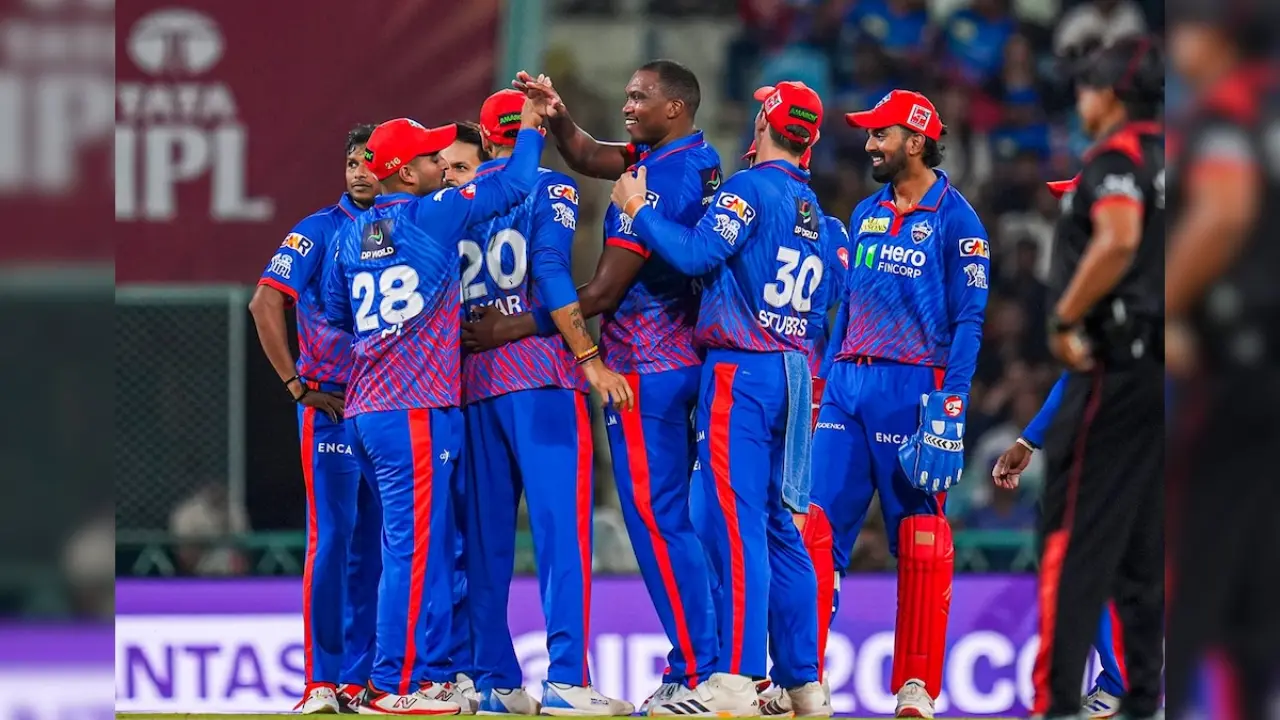
A Season of What-Ifs for Delhi Capitals
The conclusion of the IPL 2026 season once again left the Delhi Capitals (DC) faithful in despair. Despite showing flashes of brilliance early in the campaign, the franchise failed to secure a playoff spot for the fifth consecutive year. Under the captaincy of Axar Patel, the team finished sixth on the points table, managing seven victories from 14 matches. While the win-loss record suggests mediocrity, the narrative behind the scenes—and indeed, on the field—was one of missed opportunities and strategic lapses.
The Core Issues Identified by Leadership
Following their final game of the season—a 40-run victory over the Kolkata Knight Riders—head coach Hemang Badani provided an honest appraisal of the team’s performance. Hemang Badani reveals biggest reason behind Delhi Capitals’ IPL 2026 disaster by highlighting the team’s inability to thrive under pressure. According to the coach, while the squad possessed the talent required to compete at the highest level, they lacked the mental fortitude to seize control during the ebb and flow of tight contests.
Defining Moments and Heartbreaking Defeats
The 2026 season will likely be remembered by Delhi fans for the agonizingly close losses that slipped through their fingers. A primary example was the one-run thriller against the Gujarat Titans, a game that could have altered the entire trajectory of their season. Perhaps even more damaging was the collapse against the Punjab Kings at the Arun Jaitley Stadium, where the Capitals failed to defend a formidable total of 264. These losses were not just statistical anomalies; they were psychological blows that hampered the team’s momentum.
Fielding and Tactical Failures
Badani did not shy away from criticizing the team’s defensive efforts, specifically noting that poor fielding standards cost them dearly. Crucial catches were spilled in high-stakes encounters against the Chennai Super Kings and Sunrisers Hyderabad. In a tournament as competitive as the IPL, these margins are often the difference between playoff qualification and an early exit.
Statistical Woes: Batting and Bowling Inconsistencies
The struggles were not limited to the field alone; the batting lineup suffered from erratic form. Badani pointed out that the middle order frequently succumbed to pressure, losing wickets in clusters. This lack of stability meant that the Capitals struggled to build the necessary momentum to sustain long winning streaks.
Furthermore, the bowling unit faced significant challenges. With only 64 wickets claimed across 14 matches, the DC bowlers found themselves at the bottom of the league in terms of wicket-taking efficiency. Badani reflected on this, stating, “As a bowling side, you ideally want to pick a lot of wickets. If you see the stats with sides picking wickets, I think we are right at the bottom.”
No Excuses for the Coaching Staff
When questioned about external factors, such as the absence of Mitchell Starc during the initial phase of the tournament, Badani refused to use it as a crutch. He maintained that the squad depth was sufficient to have achieved success regardless of individual absences. The failure, he asserted, rested on the team’s inability to manage the “small margins” of the game.
Reflecting on the Future
The sentiment within the Delhi camp is clear: the talent is present, but the execution was lacking. Badani concluded his assessment by reiterating that if the team had simply focused on performing the basics correctly during the critical junctures of their matches, they would still have been in the running for the trophy. For the Delhi Capitals, the 2026 season serves as a stark reminder that in the modern IPL, dominance is defined by the ability to hold one’s nerve when the game is on the line. As the franchise looks toward the future, the focus will undoubtedly shift to building a more resilient core capable of handling the immense pressure of the world’s premier T20 league.