Evolution of Batting: How Modern Strike Rates are Reshaping IPL 2026

The Strike Rate Revolution
Cricket has undergone a massive transformation over the past three decades, and no statistic reflects this change better than the batting strike rate. Measuring runs scored per 100 balls faced, the strike rate has ascended to become the ultimate barometer of modern batting success. Where the 1990s and early 2000s prioritized wicket preservation and a steady accumulation of runs, the current era is defined by relentless acceleration and aggressive intent.
Tracing the Historical Shift
To understand the current state of the game, we must look at the numbers. In the 1980s, the average batting strike rate hovered around 66. By the 2010s, this figure climbed above 80, signaling a clear departure from traditional philosophies. Today, the game is no longer about just surviving; it is about dominating the bowling attack from the very first ball. This transition is not merely a statistical anomaly but a deliberate shift in strategy adopted by teams globally.
Test Cricket: A New Tempo
Perhaps the most fascinating evolution has occurred within the longest format of the game. Test cricket, once the bastion of defensive fortitude, has adopted a more proactive approach. Modern batters are increasingly comfortable taking calculated risks to shift the momentum in their favor. Consequently, strike rates that once stagnated in the low 40s have crossed into the 50s. This faster tempo has invigorated the format, resulting in fewer draws and more decisive outcomes that captivate modern audiences.
ODI Cricket and Scoring Efficiency
One Day International cricket has similarly transitioned into a format built around maximum efficiency. Two decades ago, average strike rates in the low 70s were considered acceptable. In the current landscape, many teams operate with a strike rate exceeding 90. This change is most evident during the middle overs; where teams once looked to conserve wickets for a late-game flourish, they now maintain constant pressure, effectively neutralizing the opposition’s bowling attack throughout the entire innings.
The IPL Effect and T20 Dominance
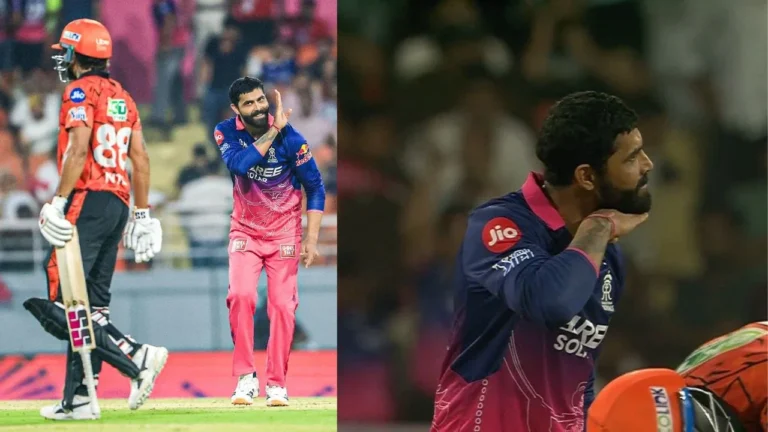
The rise of T20 cricket, spearheaded by the Indian Premier League, has arguably been the greatest catalyst for change. In the context of IPL 2026, strike rates above 150 are now common benchmarks for top-order batters. The sport has introduced an era of fearless cricket where innovative 360-degree shots and boundary-hitting are prioritized. Concepts like ‘Powerplay domination’ and ‘death-over acceleration’ are no longer optional strategies but core tactical requirements for any team aiming for the title.
The Role of Data and Technology
Modern cricket is no longer driven purely by instinct. Teams now rely heavily on sophisticated data analytics to identify scoring zones, exploit bowling matchups, and track batting trends. This analytical rigor extends to the players themselves, who utilize video analysis and performance tracking to sharpen their skills. Furthermore, the introduction of the Decision Review System (DRS) has bolstered player confidence, encouraging a brand of cricket that is both bold and calculated.
Equipment and Athleticism
Behind these rising numbers are advancements in equipment and training. Lightweight bats, improved protective gear, and state-of-the-art training facilities allow modern athletes to strike the ball with greater power and consistency than their predecessors. When combined with a refined tactical approach, these factors create the perfect environment for the high-scoring spectacles seen in the latest IPL seasons.
The Future of Cricket Engagement
The evolution of strike rates reflects the broader transformation of cricket into a high-octane entertainment product. Fans today demand constant action and real-time engagement, forcing platforms and broadcasters to adapt to the fast-paced nature of the modern game. As we witness the fearless batting displays in IPL 2026, it is clear that the sport has successfully balanced its traditional competitive depth with the demands of a modern, digital-first audience. The journey from cautious batting to the high-strike-rate era is a testament to the sport’s resilience and its ability to innovate while maintaining the core excitement that fans cherish.