Auqib Nabi Snub: Dilip Vengsarkar Questions Ranji Trophy Relevance
A Storm Over Selection Integrity
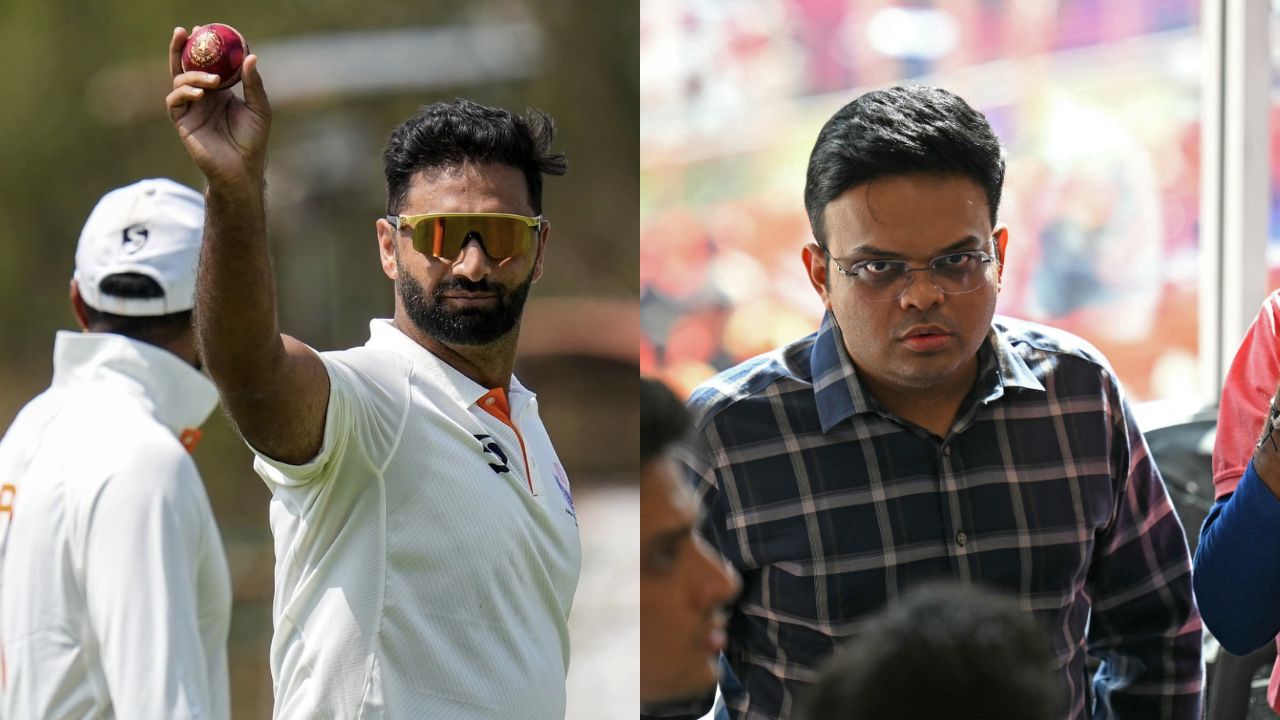
In the wake of the Indian Test squad announcement for the one-off match against Afghanistan, the cricketing fraternity is reeling from what many describe as a baffling selection decision. Auqib Nabi, the pace spearhead who powered Jammu & Kashmir to a historic maiden Ranji Trophy title, has been left out of the national side. This omission has drawn sharp criticism from legendary figures, most notably former India captain Dilip Vengsarkar, who went as far as suggesting that if domestic heroics are ignored, the BCCI might as well scrap the Ranji Trophy entirely.
The Unmatched Dominance of Auqib Nabi
To understand the outcry, one must look at the numbers. Auqib Nabi’s 2025-26 domestic season was nothing short of legendary. In 10 matches, the 29-year-old medium-pacer proved to be the most potent threat in the country, claiming a staggering 60 wickets at an average of 12.56. His consistency earned him the Player of the Tournament award, solidifying his role as the backbone of J&K’s championship run.
His performance metrics highlight an bowler at the peak of his powers:
- Semifinal brilliance: A masterclass of 9 for 123 against Bengal in Kalyani.
- Quarterfinal dominance: A match-defining 12 for 110 against Madhya Pradesh in Indore.
- Final authority: A clinical 5 for 54 in the first innings against Karnataka in Hubbali.
Throughout the campaign, Nabi claimed seven five-wicket hauls and two four-wicket hauls, proving that his wicket-taking ability is not just a statistical anomaly, but a reliable skill set suited for the rigors of red-ball cricket.
Vengsarkar and Critics Sound the Alarm
Dilip Vengsarkar, a man who knows the weight of the selector’s chair, did not mince his words when discussing the snub with the media. He labeled the decision to overlook Nabi in favor of Punjab’s Gurnoor Brar as “absurd” and “injustice.” For Vengsarkar, the debate over bowling speed is a distraction from the fundamental requirement of a bowler: the ability to dismiss batters.
“You pick a bowler for his ability to get wickets,” Vengsarkar stated. “He may bowl at 130 kmph, but the important thing is his wicket-taking ability. This kid has shown tremendous consistency.”
The sentiment has been echoed across social media, with former India allrounder Irfan Pathan urging the board not to discourage the hard work players put into the Ranji Trophy. Former Mumbai captain Shishir Hattangadi added to the chorus, noting that if the premier domestic tournament is the yardstick for excellence, the selectors must honor the performances produced within its structure.
The BCCI Perspective: More Than Just Stats
In response to the mounting pressure, chief selector Ajit Agarkar defended the committee’s decision, confirming that while Nabi’s performance was discussed, the panel opted for Gurnoor Brar. Sources close to the selection committee emphasized that national selection involves more than just looking at the highest wicket-takers. “Should selectors simply be replaced by stats analysts?” one insider questioned, pointing toward Brar’s contributions for India A and his performance in the Vijay Hazare Trophy as reasons for his inclusion.
A Missed Opportunity for Grooming
With Jasprit Bumrah rested for the upcoming Afghanistan Test, critics believe the selectors missed a golden opportunity to blood a player who is currently in the form of his life. Vengsarkar argued that timing is everything in professional sports, and waiting for a player to drop in form or confidence before offering a call-up is a flawed philosophy.
The debate ultimately transcends a single player’s selection. It touches on the core identity of Indian cricket. If the Ranji Trophy is to remain the premier incubator for Test talent, the bridge between domestic performance and national selection must be clear and merit-based. As the conversation continues, the BCCI finds itself at a crossroads, balancing the demands of modern data-driven selection against the traditional importance of domestic dominance.