Shaheen Afridi on Pakistan quicks losing speed: ‘Machines deteriorate with time’ – Shaheen Afridi Addresses Pakistan’s Pace Decline and Strategy
The Quest for Pace: Pakistan’s Bowling Dilemma
In the world of cricket, Pakistan has long been synonymous with raw, terrifying pace. From the era of Imran Khan to the dominance of Shoaib Akhtar, the nation has prided itself on producing bowlers who could clock speeds that unsettled the world’s best batters. However, a recent and noticeable dip in the velocity of Pakistan’s current pace attack has sparked intense debate, with the National Cricket Academy (NCA) now scrambling to develop a strategic plan to address the issue.
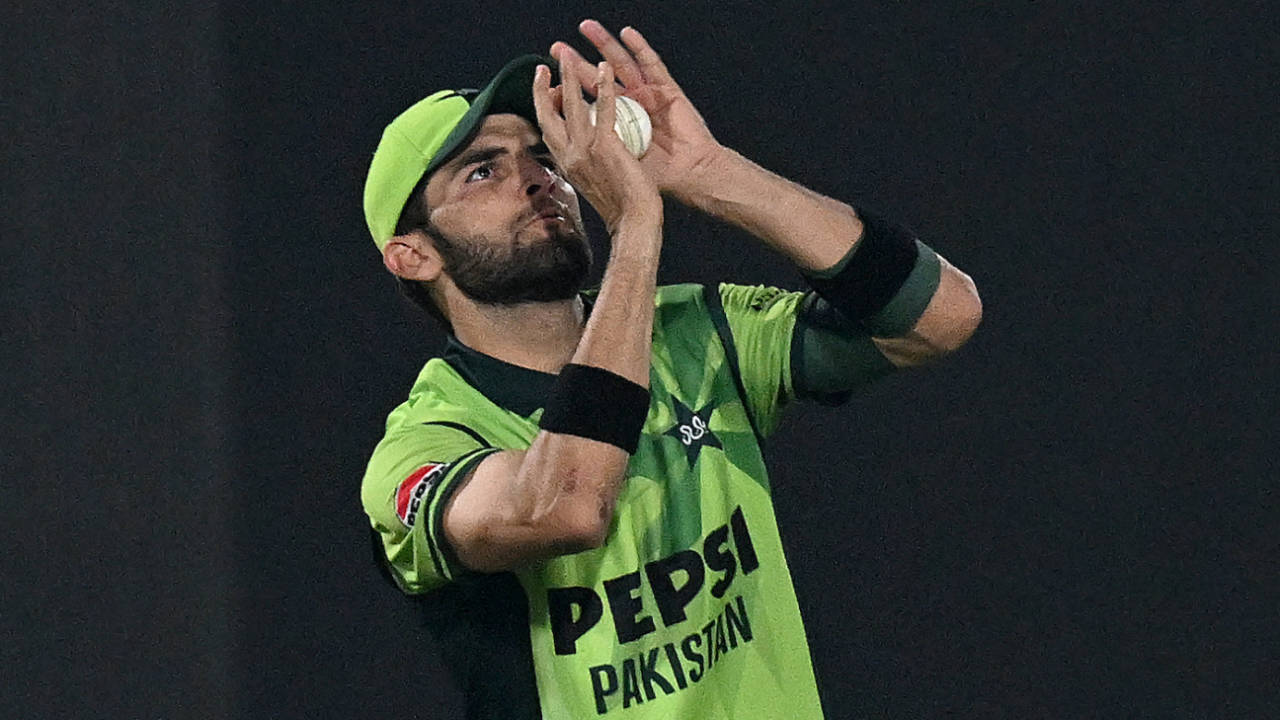
ODI captain Shaheen Shah Afridi, speaking on the eve of the series opener against Australia in Rawalpindi, acknowledged the growing concern. The scrutiny reached a fever pitch following Pakistan’s 0-2 Test series defeat in Bangladesh, where the visitors were consistently outpaced by the opposition. While Bangladesh bowlers were hitting the high-130s and mid-140s, Pakistan’s seamers were often languishing in the mid-120s and early 130s. This lack of penetration has significantly hampered the team’s ability to take twenty wickets in Test cricket.
Afridi’s Candid Perspective: The Physical Toll
Shaheen Afridi, whose own speed has fluctuated since his return from a knee injury in 2022, offered a blunt assessment of the situation. Comparing the human body to machinery, he noted that continuous, high-intensity competition inevitably leads to performance degradation. ‘It is a norm that machines deteriorate with time,’ Afridi explained. ‘We are trying to recharge ourselves. You can put more pace in the ball when your body has had rest, but our bodies remain always at Pakistan’s disposal.’
The captain emphasized that the constant grind of international cricket, across all formats, has left the bowlers with little time for the recovery needed to maintain top-tier speed. He pointed out that the NCA and coaching staff are actively working on load management strategies to keep bowlers fresh. While comparisons have been drawn to breakthrough performers like Bangladesh’s Nahid Rana—who has been hitting high speeds—Afridi insists that such comparisons require nuance, noting that younger players who haven’t yet logged heavy international mileage often exhibit more physical freshness.
Navigating Squad Changes and the Rizwan Factor
Beyond the bowling concerns, Pakistan’s selection panel has also made waves by omitting Mohammad Rizwan from the ODI squad. The decision is particularly striking given Rizwan’s consistent form with the bat, where he has been a pillar for the side. However, the management is clearly looking toward the future, with the next ODI World Cup just 16 months away. The selectors are prioritizing the expansion of the player pool, offering opportunities to rising talents like Rohail Nazir, Arafat Minhas, and Ahmed Danyal.
Regarding Rizwan’s future, Afridi urged the media and fans to remain patient. ‘I would suggest you not to jump to conclusions,’ he stated. Drawing from his own experience of being dropped and subsequently returning to the side, he emphasized that an omission is not a career-ending move. ‘Babar and I were also dropped from the team, but we are back. I have spoken to Rizwan about it. It is not as if his cricket is finished just because he has been dropped for this series.’
Building for the Future
The strategic shift in Pakistan cricket is clearly aimed at long-term sustainability. By rotating senior players and testing younger prospects, the team is attempting to build a broader base of talent capable of handling the rigors of modern international cricket. As the side prepares for the upcoming matches in Lahore, the focus remains twofold: rehabilitating the physical conditioning of the pace battery and identifying the next generation of match-winners.
While the transition period may be fraught with challenges, the leadership seems committed to a path that prioritizes freshness and depth over short-term results. Whether this strategy will lead to the return of the ‘express’ Pakistan pace attack remains to be seen, but the intent to fix the foundation is clearly in place.