Pakistan Players’ Revolt vs Mohsin Naqvi’s PCB After Bangladesh Defeat Leaked – Pakistan Cricket Crisis: Players Revolt Against PCB Leadership After Bangladesh Loss
A New Low for Pakistan Cricket
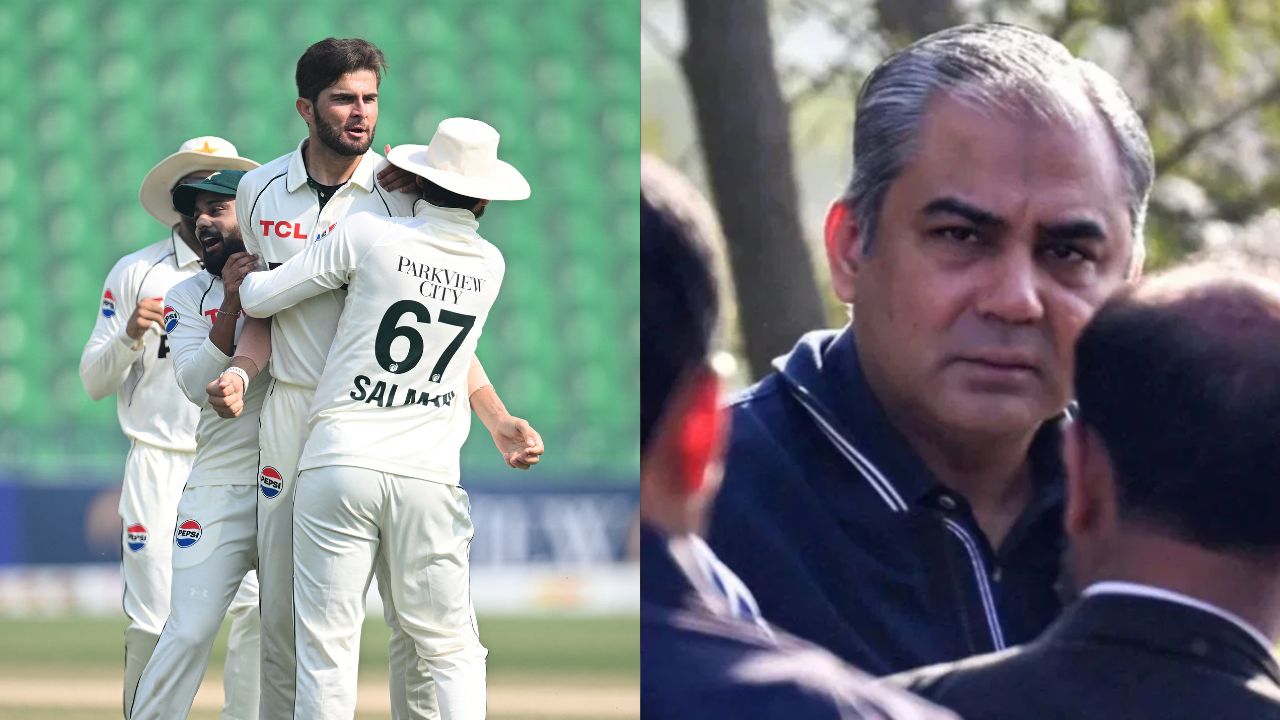
Pakistan cricket is currently navigating one of its most turbulent phases in recent history. Following a humiliating 2-0 Test series defeat against Bangladesh on home soil—a result that left the national side languishing in 8th place on the World Test Championship standings—the atmosphere within the dressing room has reached a breaking point. With pressure mounting on captain Shan Masood and the leadership of PCB chairman Mohsin Naqvi, the focus has shifted from on-field failures to internal dysfunction.
The Physio Controversy: A Catalyst for Unrest
The latest development causing friction within the squad is the sudden and controversial departure of team physio Cliff Deacon. A trusted figure who had been with the Pakistan national team for eight years, Deacon’s exit has reportedly sparked a quiet revolt among the players, particularly the pace bowling unit. Having joined the setup in 2017, the South African had built deep, professional relationships with core players like Shaheen Afridi, Naseem Shah, and Haris Rauf.
Reports suggest that the Bangladesh series served as the final chapter for Deacon. During his farewell at the ground following the second Test, the atmosphere was reportedly somber, with players visibly moved by his departure. The removal of such a familiar and effective staff member has left many in the squad questioning the logic and empathy of the current administration.
Why Was Cliff Deacon Dismissed?
The PCB, under the leadership of Mohsin Naqvi, has not provided a transparent explanation for the decision to part ways with Deacon after nearly a decade of service. However, internal whispers point toward the influence of the newly appointed Director of Sports and Exercise Medicine, Javed Mughal. It is believed that Mughal was dissatisfied with the frequent injury concerns plaguing the squad and viewed the change in medical staff as a necessary step to address these recurring issues.
This administrative perspective, however, has been met with fierce resistance from the players. Many within the team argue that the blame for player injuries is being misplaced. According to players speaking on the condition of anonymity, the role of a team physio is primarily focused on managing match-day niggles and acute issues. Long-term rehabilitation and injury prevention, they contend, are processes that should be handled at the academy level where specialized facilities and long-term medical experts are stationed.
The Disconnect Between Management and Players
The core of the issue appears to be a fundamental misunderstanding of operational roles. A source close to the team indicated that the board’s leadership may be conflating the responsibilities of a travel-physio with that of a long-term medical rehabilitation team. As one anonymous player stated, “Deacon’s work was great and effective, but people in the Board do not understand that it is not the job of a physio to oversee rehab of unfit players. He can only manage niggles, which he had been doing.”
This sentiment highlights a growing disconnect between the PCB hierarchy and the athletes. When players feel that their support structures are being dismantled based on misunderstood metrics of performance, it inevitably breeds resentment. With the home series against Australia on the horizon, this internal friction could not have come at a worse time.
What Lies Ahead for Pakistan Cricket?
The appointment of Iftikhar Ahmed as the new team physio marks the beginning of a new era, but it is one that begins under a cloud of skepticism from the players. The PCB is now faced with a difficult choice: double down on their recent organizational changes, or attempt to mend fences with a dressing room that is clearly frustrated by the status quo.
Whether Mohsin Naqvi will listen to the concerns of his squad and consider a reversal of these staffing decisions remains to be seen. In a sport where player confidence and support systems are paramount, the PCB will need to tread carefully to avoid further instability. For now, the focus remains on whether the team can put these administrative distractions behind them to deliver a performance that justifies their place on the international stage.