Irfan Pathan Defends Virat Kohli’s On-Field Fire, Questions Travis Head Handshake Snub
The electrifying atmosphere of the Indian Premier League (IPL) often brings with it moments of intense competition, drama, and sometimes, controversy. The IPL 2026 clash between Royal Challengers Bengaluru (RCB) and Sunrisers Hyderabad (SRH) was no exception, delivering a high-octane encounter that transcended mere cricket, spiraling into a significant talking point off the field.
Sunrisers Hyderabad, in a dominant display, comprehensively defeated Royal Challengers Bengaluru by a significant margin of 55 runs. This victory was crucial for SRH, securing their spot in the IPL 2026 playoffs, a testament to their consistent performance throughout the season. While SRH celebrated their strategic advancement, the defending champions had already booked their ticket to Qualifier 1, indicating their own strong campaign. However, the match’s result soon took a backseat to a heated exchange between two cricketing giants: Virat Kohli of RCB and Travis Head of SRH.
The Ignition of On-Field Fire: Kohli vs. Head
The drama began to unfold during RCB’s daunting chase of 256 runs. With such a colossal target, every run and every wicket carried immense pressure. Virat Kohli, known for his passionate and often aggressive approach, was at the crease, attempting to anchor RCB’s chase. It was during this high-stakes period that Kohli found himself embroiled in a verbal duel with the explosive Australian opener, Travis Head. The intensity was palpable, and their interaction quickly became a focal point for spectators and commentators alike.
Reports suggested that Kohli was actively engaging Head, reportedly teasing him and challenging him to come and bowl. This direct challenge from Kohli underscored his aggressive mindset, a characteristic that has defined much of his illustrious career. Furthermore, the RCB star reportedly took aim at Head’s role as an ‘impact player’ this season, perhaps suggesting that Head’s contributions were limited to specific phases or that he wasn’t a complete all-rounder in that particular match context. Such taunts are not uncommon in the competitive arena of professional cricket, where players often employ psychological tactics to gain an edge over their opponents.
However, as fate would have it, Travis Head ultimately had the last laugh in this on-field battle of wits. Despite Kohli’s aggressive stance, he failed to convert his start into a significant score, getting dismissed for a modest 15 runs against SRH. This early departure from the crease meant Kohli couldn’t make the substantial impact RCB desperately needed in their chase, turning the tables on his earlier taunts.
The Post-Wicket Jibe and the Infamous Snub
Following Kohli’s dismissal, the narrative took another turn. It was reported that Travis Head seized the moment to deliver a retort, allegedly mocking the RCB icon with the words, “Mate, you got out before I even came on to bowl.” This jibe, delivered after Kohli’s wicket, served as a direct response to Kohli’s earlier challenge, highlighting the ebb and flow of competitive banter. It was a moment where Head, having overcome Kohli’s challenge by virtue of his team’s performance and Kohli’s early exit, claimed a psychological victory.
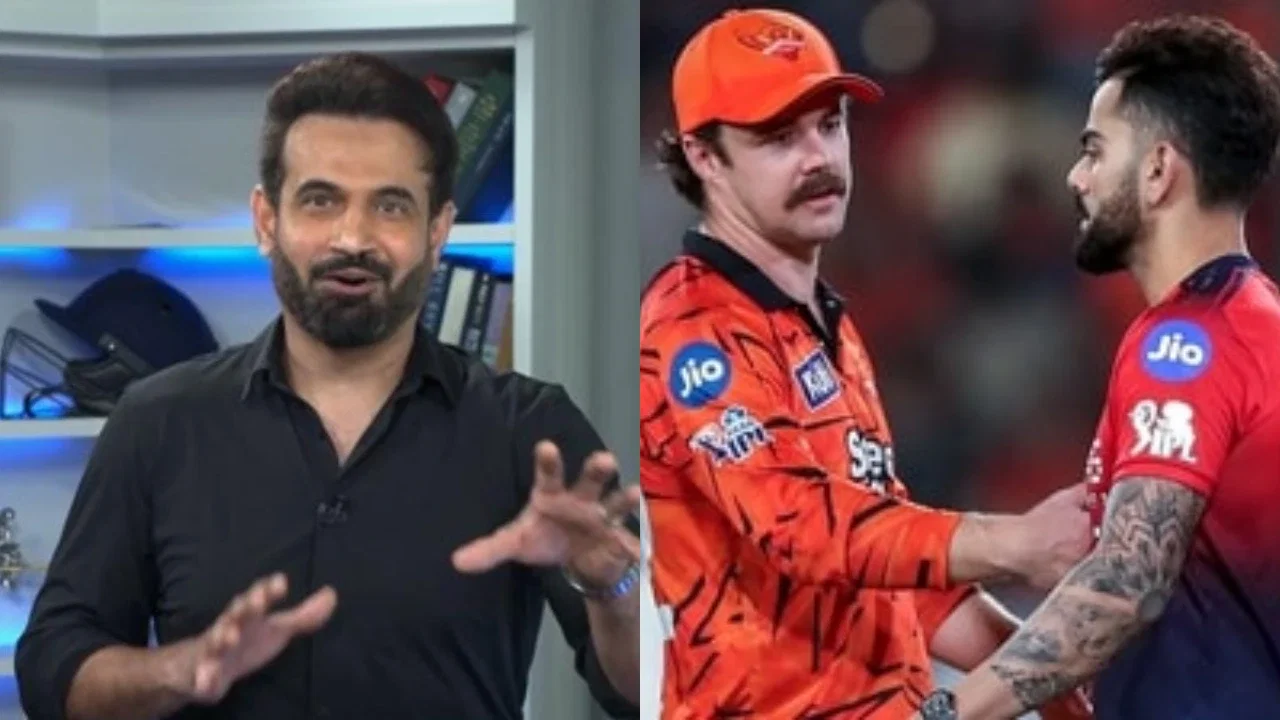
But the story did not end there. The most talked-about incident occurred after the match, during the customary post-game handshakes between the teams. As players exchanged greetings and congratulations, Head reportedly extended his hand towards Kohli, anticipating a respectful gesture of sportsmanship. To the surprise of many, and indeed to Head’s apparent bewilderment, the former RCB captain reportedly walked past him without acknowledging the gesture or even making eye contact. The SRH opener was visibly taken aback for a second before he quietly moved on, the moment captured on camera and quickly going viral across social media platforms.
The video’s rapid spread online led to widespread criticism of Kohli. Many fans and pundits, while acknowledging and often appreciating on-field aggression as part of the game’s intensity, felt that such emotions should be left on the field once the match concludes. The handshake, traditionally a symbol of sportsmanship and respect, is seen as an essential part of cricket’s etiquette, and Kohli’s perceived snub was interpreted by many as a breach of this unwritten code.
Irfan Pathan’s Balanced Perspective: Defending Aggression, Questioning Etiquette
Amidst the swirling debate, former Indian cricketer Irfan Pathan offered a thoughtful and balanced perspective on the entire incident. Pathan, known for his insightful commentary, came out in support of Kohli’s aggressive on-field style, stating that it is an integral part of his game. Pathan emphasized that Kohli plays with immense passion, energy, and aggression, qualities that are often seen in many top Australian cricketers during high-stakes matches.
Speaking on JioHotstar, Pathan elaborated on his stance, recalling his own experience during commentary. “Look, Virat also likes to play cricket the way the Australians do. Little banter, little aggression, little talk of ‘okay, come down and bowl some deliveries.’ That’s what he was saying, ‘You are not an impact player.’ Generally, he is an impact player, and he goes out of the field. He asked him to bowl; something happened, and he was calling him as well,” Pathan stated, providing context to Kohli’s on-field interactions. He highlighted that such exchanges are a common feature of competitive cricket, where players often try to get under each other’s skin to gain a psychological advantage.
Pathan further stressed that banter is an inherent part of the game, a tool players use to put pressure on opponents, especially in tense situations. He articulated, “Look what happened after the game. I am not going to talk much about it. But what happened on the field, it’s okay, it happens. You want to play aggressively; you want to wear your heart on your sleeve and have that little banter, that little aggression.” This statement clearly delineates Pathan’s acceptance of on-field intensity and verbal sparring as part of the sport.
The Line in the Sand: Post-Match Conduct
However, while Pathan staunchly defended Kohli’s on-field aggression and banter, he drew a clear line when it came to the post-match conduct. The former World Cup winner expressed his disapproval of Kohli’s handling of the handshake situation. In his concluding remarks, Pathan unequivocally stated, “This could be avoided.” This succinct comment underscored his belief that while passion and aggression are commendable during play, the spirit of sportsmanship should prevail once the final whistle blows or the last ball is bowled. The handshake, in particular, is a moment for players to set aside on-field rivalries and show mutual respect, regardless of the outcome or the preceding intensity.
The Broader Debate on Sportsmanship
The incident reignites the perennial debate in sports about the boundaries of aggression and the essence of sportsmanship. While many argue that professional athletes, especially in high-pressure leagues like the IPL, are expected to display fierce competitiveness, there is an equally strong sentiment that respect and decorum should define interactions outside the heat of the battle. The Kohli-Head episode serves as a powerful reminder of this delicate balance.
The incident also highlights how modern cricket, with its global reach and intense media scrutiny, amplifies every gesture and word. What might have once been confined to the field and dressing rooms is now instantly shared, dissected, and debated across the world. Players are constantly under the microscope, and their actions, both in victory and defeat, carry significant weight.
In conclusion, the IPL 2026 encounter between RCB and SRH left behind more than just a scoreline. It ignited a discussion about the acceptable limits of aggression, the importance of sportsmanship, and the fine line between competitive fire and post-match respect. Irfan Pathan’s measured take, defending the zeal of a player like Kohli while simultaneously advocating for post-match decorum, encapsulates the complexity of these debates. It reminds us that while passion drives the game, respect upholds its spirit.