Vijay Hazare Trophy 2025-26: Reshaping India’s ODI Strategy
The 33rd Vijay Hazare Trophy: A Strategic Crucible
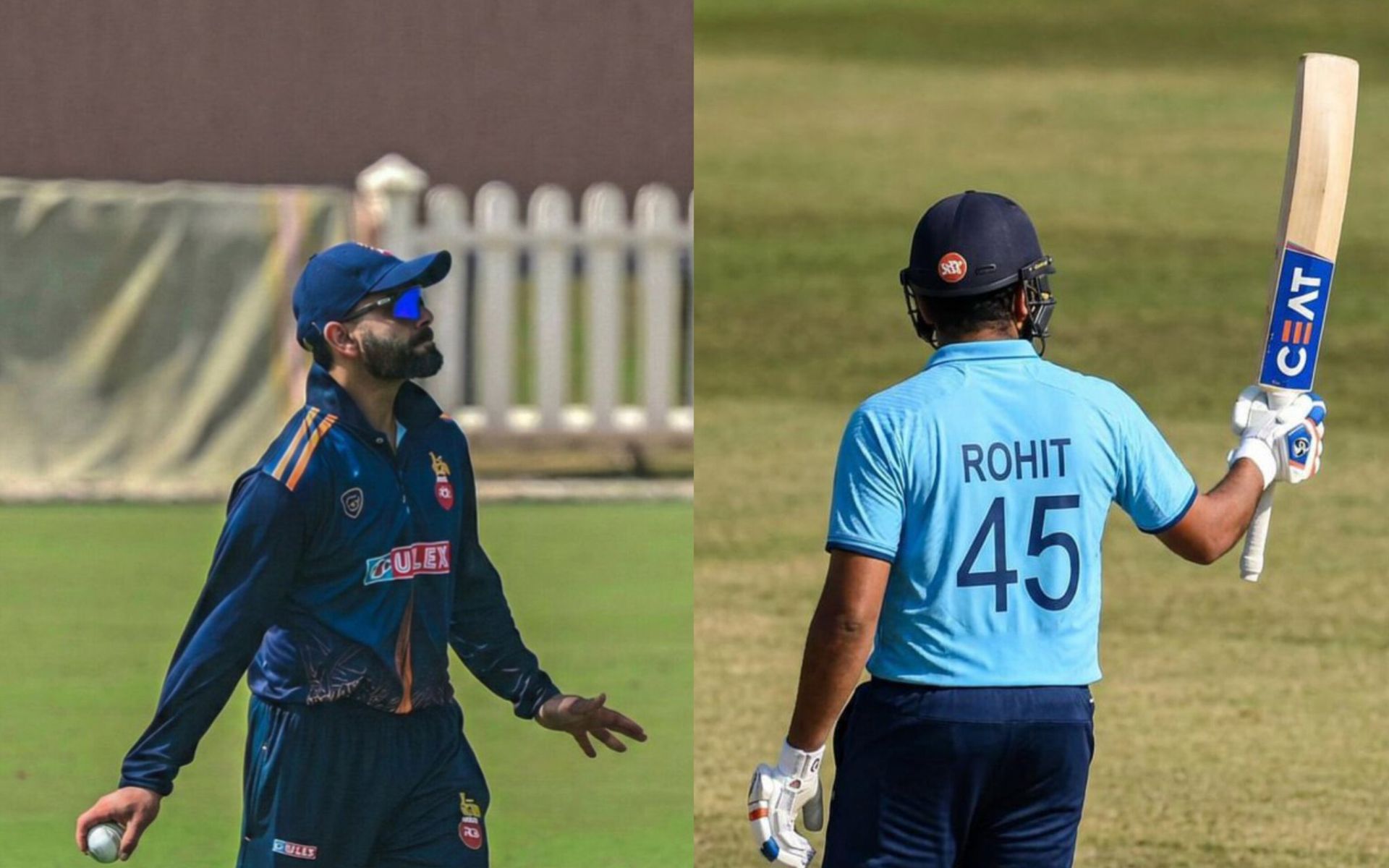
The 33rd edition of the Vijay Hazare Trophy, which commenced on December 24, has rapidly evolved into one of the most talked-about domestic tournaments in recent memory. Beyond its traditional status as India’s premier List-A competition, this season carries immense strategic weight. The surprise inclusion of veteran superstars Virat Kohli and Rohit Sharma has instantly elevated the tournament’s profile, drawing global eyeballs. However, beneath the star-studded surface lies a critical selection crucible. As the Indian national team navigates a delicate transitional phase, national selectors are keeping a close eye on this tournament to spot the talents who could seamlessly fit into the national team’s mix.
The Rohit Sharma-Virat Kohli Dynamics and the Domestic Debate
While the presence of Kohli and Sharma has undoubtedly boosted local interest, it has also sparked intense debate within Indian cricket corridors. The Board of Control for Cricket in India (BCCI) has faced pushback from various stakeholders who question the necessity of urging established all-format legends to play domestic cricket. Former India chief selector MSK Prasad recently entered the conversation, offering a stern warning to the current team management.
“One should be careful that the issue is not brought up all the time. We never had a word with Dhoni about playing domestic cricket. He played whenever he felt it was necessary. There should be clear communication up front. Or else, stick to the perform-or-perish policy. There should not be any scope for ambiguity,” said MSK Prasad to Times of India.
Despite the off-field chatter, both stalwarts have silenced critics on the field. Slamming centuries in their respective opening matches, Kohli and Sharma have set the record straight regarding their willingness and intention to feature in the 2027 ICC Cricket World Cup. However, maintaining match fitness will remain a significant challenge given the relentless volume of international cricket they continue to play.
Mental Over Physical: Virat Kohli’s Unique Philosophy
Kohli’s approach to this phase of his career is deeply psychological. After winning the ‘Player of the Match’ award for his match-winning century against South Africa in the first ODI, Kohli shed light on his preparation philosophy, indicating where his priorities lie:
“I’ve never been a big believer of a lot of preparation, if that makes sense. All my cricket has been mental. As long as I feel mentally I can play the game, I work physically very hard every day of my life. It’s got nothing to do with cricket anymore,” Kohli remarked during the post-match presentation.
This mental-first approach emphasizes how seasoned legends manage their energy, focusing on psychological freshness over endless technical drills in domestic nets.
The Search for a Stable Number Three After World Cup 2027
Even with Kohli’s current prolific form providing a comfortable cushion, the Indian team management must address the glaring absence of a long-term successor at the crucial number three spot. Kohli will be 39 by the time the 2027 World Cup concludes, meaning a succession plan must be established now. This is where the Vijay Hazare Trophy 2025-26 becomes indispensable.
Uttar Pradesh’s Dhruv Jurel has emerged as a highly compelling candidate. Jurel has enjoyed an outstanding start to the tournament, amassing 147 runs in just two games at an impressive average of 73.50 and a blistering strike rate of 124.57, including two vital half-centuries. With his technical adaptability and composure, the team management might keep Jurel in their long-term plans as a potential successor to Kohli’s legendary number three spot.
Building Pace Bowling Depth Beyond Jasprit Bumrah
Another pressing concern for selectors is India’s pace-bowling depth. The national team’s ODI attack often looks toothless in the absence of star spearhead Jasprit Bumrah. To prevent a crisis in future quadrennial tournaments, India must build a robust pool of fast bowlers capable of enduring the grueling demands of 50-over cricket.
The ongoing Vijay Hazare Trophy has thrown up two highly promising names who have excelled in their first two matches:
- Raj Limbani (Baroda): Limbani has been stellar, claiming eight wickets in his opening two matches, including a sensational five-wicket haul, placing himself as the second-highest wicket-taker in the tournament.
- Devendra Singh Bora (Uttarakhand): Right behind him is Bora, who has bagged seven wickets in two games, including a four-wicket haul. Bora made headlines across the nation by dismissing Indian captain Rohit Sharma for a golden duck during the Uttarakhand versus Mumbai clash.
Both pacers have demonstrated the skill, discipline, and control required to succeed in the middle overs of ODI cricket, making them crucial assets for national scouts to monitor.
Conclusion: Preparing Answers Before the Questions Arise
While India’s current ODI squad remains formidable and abundant in talent, proactive planning is what separates good teams from legendary ones. The Vijay Hazare Trophy 2025-26 may not present immediate, burning crises to solve, but it offers the perfect platform to secure the answers to tomorrow’s strategic dilemmas. By integrating promising talents like Dhruv Jurel, Raj Limbani, and Devendra Singh Bora alongside seasoned masters, Indian cricket can ensure a seamless transition into the future.