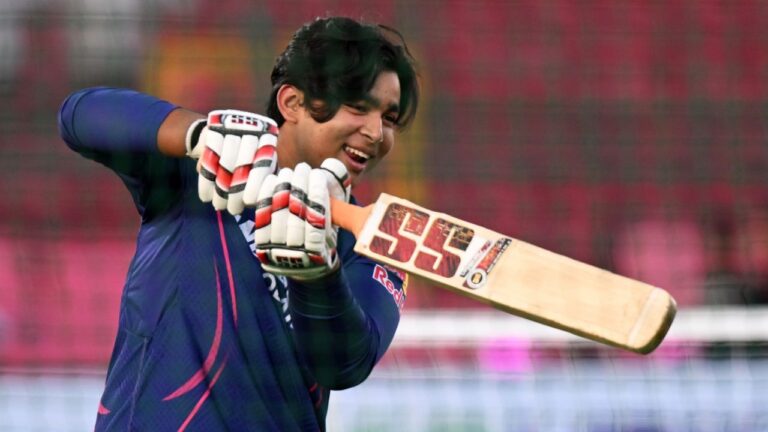
Full History of IPL Concussion Substitutes: A Complete List
Understanding the Concussion Substitute Rule in IPL
The Indian Premier League (IPL) is renowned for its blend of high-octane entertainment and cutting-edge sporting regulations. While fans are often captivated by the strategic nuances of the Impact Player or the intensity of the timed-out rule, one regulation stands out for its vital role in player welfare: the concussion substitute rule.
This rule was formally introduced to safeguard cricketers who suffer head or neck injuries during the heat of competition. According to official IPL playing conditions, once a team confirms that a player has sustained a concussion—or if the medical staff suspects one—they may request a replacement. Upon approval by the match referee, a substitute is permitted to enter the game. A crucial requirement of this regulation is that the replacement must be a ‘like-for-like’ substitute to ensure the balance of the match remains intact.
The Growing Frequency of Concussion Substitutes
As the game becomes faster and more physically demanding, head injuries have become a serious concern. The 2026 season has already seen two significant incidents, highlighting the necessity of this protective measure. The first occurred during a high-stakes clash between Mumbai Indians (MI) and Chennai Super Kings (CSK), while the second took place in Match 65, involving Kolkata Knight Riders (KKR) and Mumbai Indians.
A Historical Record of IPL Concussion Substitutes
To understand the evolution of this rule, let us look back at every documented instance where a team utilized a concussion substitute in the history of the league.
1. Vishnu Vinod for Ishan Kishan (IPL 2023)
The precedent was set during the Qualifier 2 match of the 2023 season. Mumbai Indians wicketkeeper-batter Ishan Kishan suffered a concussion following an accidental collision with teammate Chris Jordan while fielding. Jordan’s elbow made contact with Kishan’s head near his left eye. Following a medical evaluation, Vishnu Vinod was brought on as a like-for-like replacement, marking the first time the rule was invoked in the tournament’s history.
2. Yudhvir Singh Charak for Mohsin Khan (IPL 2024)
During a fixture between Lucknow Super Giants and Kolkata Knight Riders at the Ekana Stadium, pacer Mohsin Khan sustained a scary head injury. While attempting a diving catch in the outfield, he landed awkwardly on his head. After immediate medical assessment, he was ruled out of the contest, and Yudhvir Singh Charak was introduced as his official replacement.
3. Ashwani Kumar for Corbin Bosch (IPL 2025)
The 2025 season saw an incident during the MI vs GT match at Wankhede Stadium. All-rounder Corbin Bosch was struck on the helmet by a sharp bouncer from GT pacer Prasidh Krishna. Although Bosch attempted to finish his innings, subsequent medical evaluations confirmed concussion symptoms. Mumbai Indians opted to bring in left-arm pacer Ashwani Kumar to complete the game.
4. Shardul Thakur for Mitchell Santner (IPL 2026)
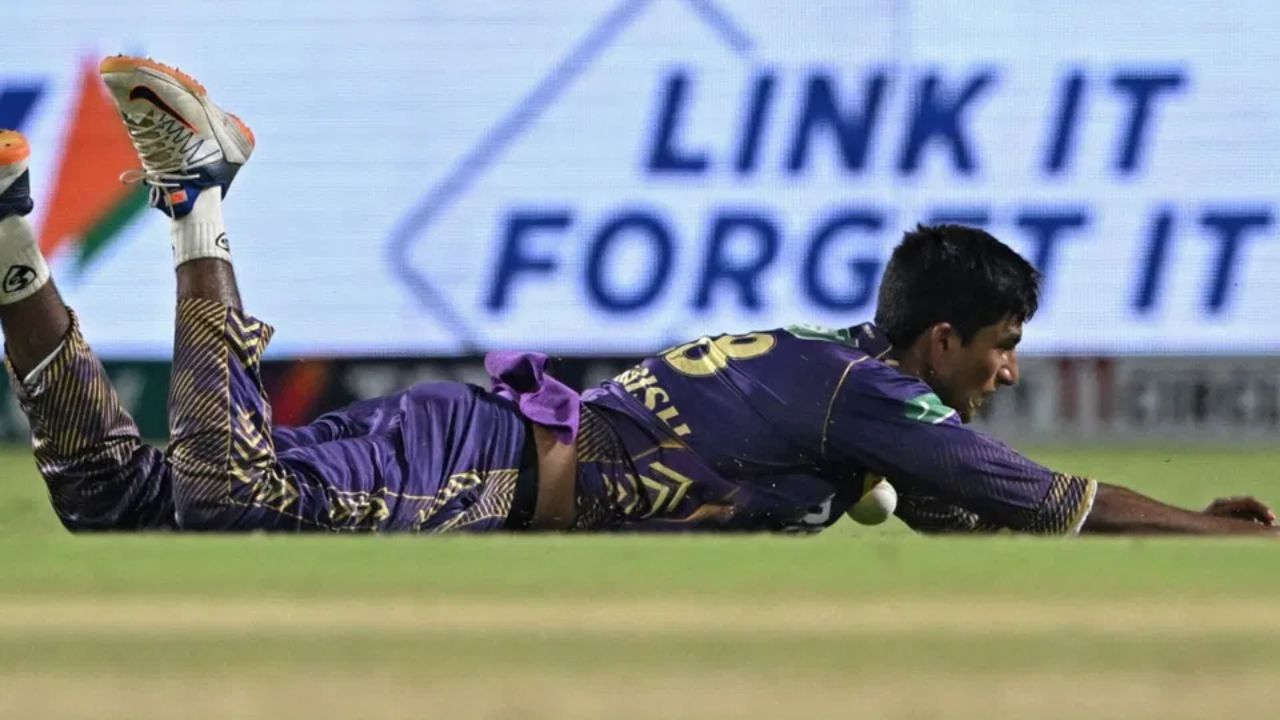
In the 2026 season, the intensity was evident as Shardul Thakur replaced Mitchell Santner during the MI vs CSK encounter. Santner suffered the injury while attempting a diving catch in the deep during the 17th over. Although it appeared to be a shoulder issue initially, subsequent reports confirmed that the player’s head and neck had made significant contact with the ground, necessitating his removal under the concussion protocol.
5. Tejasvi Dahiya for Angkrish Raghuvanshi (IPL 2026)
The most recent incident occurred during Match 65 of the 2026 season between KKR and MI. Young talent Angkrish Raghuvanshi was involved in a collision with teammate Varun Chakravarthy while fielding. Unable to continue, he was replaced by Tejasvi Dahiya, ensuring KKR maintained their full quota of players for the remainder of the innings.
Conclusion
The implementation of the concussion substitute rule serves as a testament to the IPL’s commitment to athlete safety. By allowing teams to replace injured personnel with players of similar skills, the league ensures that the competitive integrity of the sport is maintained without forcing injured athletes to risk their long-term health. As cricket continues to evolve, these protocols remain a cornerstone of professional standards in the IPL.