Shubman Gill vs Rishabh Pant: The Truth Behind India’s Vice-Captaincy Saga
The Controversy Unveiled
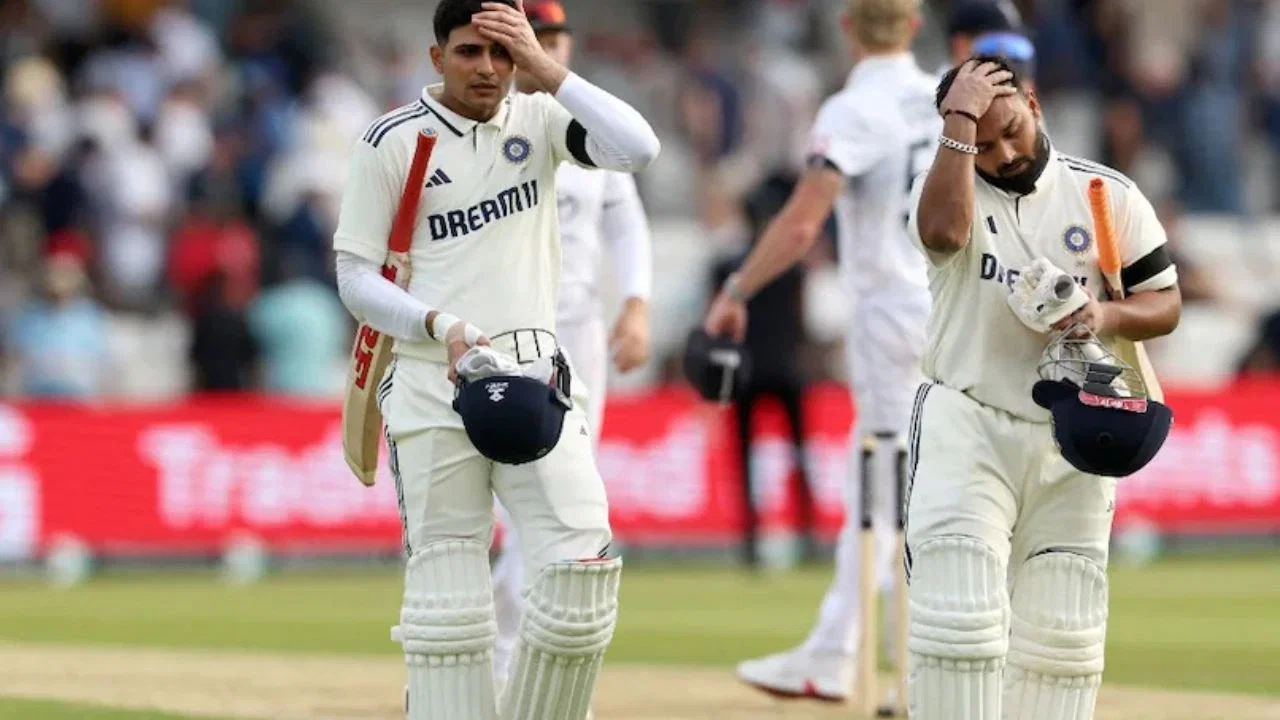
The recent announcement of the Indian squad for the upcoming series against Afghanistan has sent shockwaves through the cricketing community. Beyond the roster itself, the primary focus has shifted to the leadership hierarchy, specifically the decision to replace Rishabh Pant with KL Rahul as the vice-captain of the Test team. This change has triggered a wave of conspiracy theories, with many fans and observers suggesting that Shubman Gill may have orchestrated a move to remove Pant to secure his own path to future captaincy.
Fueling the Fire: Social Media Dynamics
The narrative of an internal power struggle gained significant momentum on social media. The speculation intensified dramatically after Rishabh Pant’s sister was spotted interacting with a reel that explicitly discussed alleged politics between Gill and Pant. In the modern era of professional sports, the lines between personal life and professional standing have become increasingly blurred, and this instance is no exception.
However, it is essential to approach such social media activity with perspective. The BCCI, as a governing body, rarely intervenes in the personal social media habits of players or their families. Such interactions often function as little more than unwanted digital noise, reflecting the intensity of fan sentiment rather than the reality of dressing room politics.
Evaluating the Leadership Shift
To understand the decision, one must look at the performance of the individuals involved. Shubman Gill’s tenure as the red-ball skipper has been largely impressive. Under his leadership, India managed to tie a hard-fought series against England, a campaign where both Gill and Pant were among the top performers with the bat. Furthermore, Gill successfully led India to a series triumph against the West Indies at home during the current World Test Championship (WTC) cycle.
In contrast, the skepticism surrounding Rishabh Pant’s leadership is not without merit. When Gill was sidelined due to injury, the responsibility fell to Pant to lead the team against South Africa. The outcome was a series loss on home soil—a result that broke a nearly two-decade-long unbeaten streak for India at home. Additionally, this loss put India’s qualification chances for the WTC 2027 final in a precarious position.
Why KL Rahul?
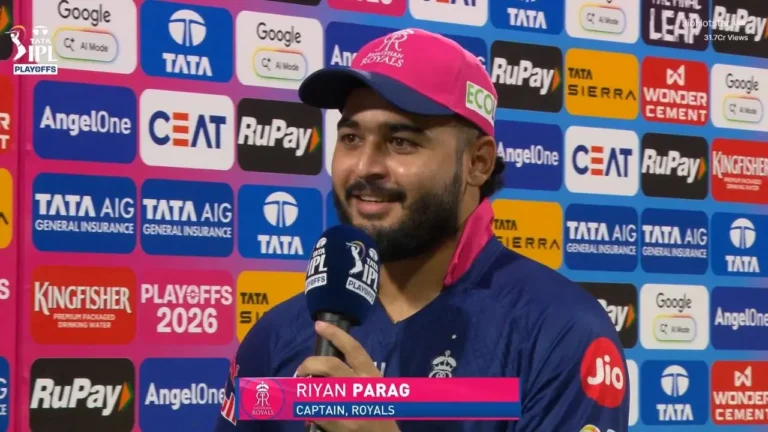
The appointment of KL Rahul as vice-captain offers a clearer picture of the selectors’ strategy. When Pant struggled to maintain the team’s momentum, Rahul demonstrated leadership capabilities, including an ODI series victory during that same South African tour. The selectors are clearly prioritizing a steady pair of hands to assist Gill in his absence, moving away from a candidate whose tactical acumen—particularly following a disappointing run in IPL 2026—has been called into question.
Conclusion: Fact Over Fiction
While the allure of a dramatic boardroom conspiracy makes for compelling reading, the evidence points toward a pragmatic decision by the selectors. Indian cricket is currently in a transition phase, and the focus must remain on the upcoming Test and ODI series against Afghanistan. If India is to remain a dominant force in world cricket and secure their place in the WTC final, leadership decisions must be based on tactical suitability and proven performance rather than social media speculation. Shubman Gill remains a central figure in the future of the Indian team, and his rise is a testament to his cricketing form, not a byproduct of calculated political maneuvers.