Faheem Ashraf Idols: Suresh Raina Pick Sparks India-Pakistan Debate
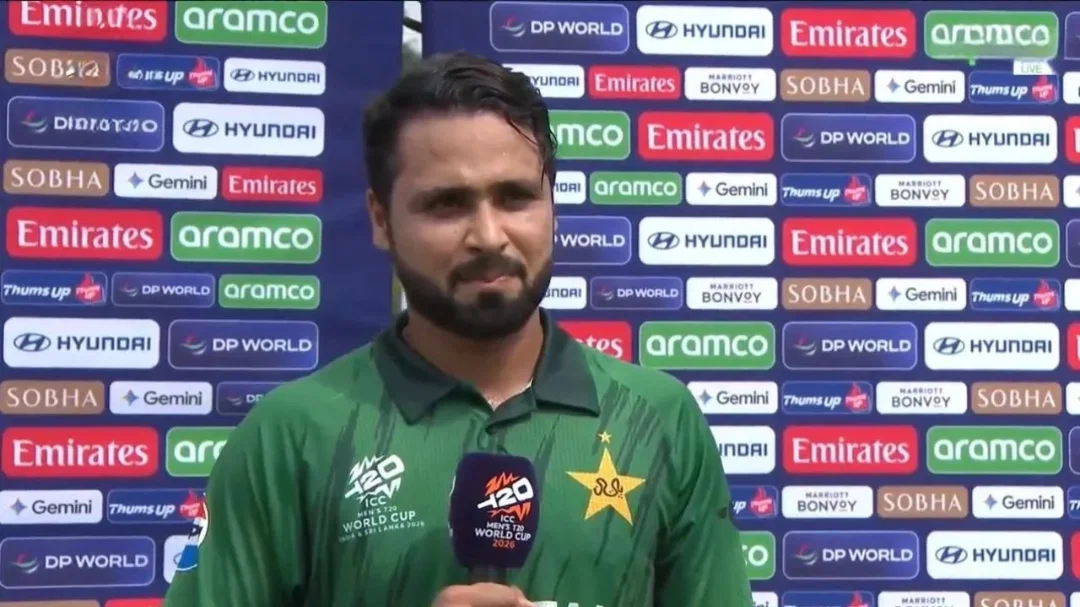
Faheem Ashraf Navigates the Complex Landscape of Indo-Pak Cricket Relations
In the high-stakes world of international cricket, few rivalries carry the emotional and political weight of India versus Pakistan. Recently, Pakistan national team all-rounder Faheem Ashraf found himself at the center of this whirlwind after participating in a candid discussion about the players who shaped his understanding of the game. While Ashraf was praised by many for his willingness to look across the border for inspiration, his comments regarding the current state of relations—which have reportedly reached a nadir since 2025—have sparked significant debate.
During a detailed appearance on a popular YouTube podcast, Ashraf delved into the influences that dictated his growth as a cricketer. His choices reflected a deep appreciation for the technical mastery and raw power that defined the previous generation of superstars. However, it was his assessment of the modern cricketing environment and the perceived ‘restrictions’ on Indian players that grabbed the headlines.
The Batting Idols: From Saeed Anwar to Suresh Raina
Faheem Ashraf’s list of batting idols is a testament to the diverse styles that dominated the late 90s and early 2000s. At the top of his list was the legendary Pakistani opener Saeed Anwar. Anwar, one of the most stylish left-handers to ever grace the pitch, is remembered for his impeccable timing and his ability to dismantle bowling attacks with surgical precision. With over 8,800 ODI runs and more than 4,000 Test runs, Anwar’s legacy as a pioneer of aggressive opening batting remains untarnished in Pakistan’s cricketing folklore.
Adding to the international flavor of his inspirations, Ashraf cited the ‘Universe Boss’ Chris Gayle and Sri Lankan icon Kumar Sangakkara. Gayle’s influence on the game, particularly the T20 format, cannot be overstated. With a career tally exceeding 10,000 ODI runs and nearly 2,000 T20I runs, Gayle redefined the boundaries of power-hitting. Conversely, Sangakkara provided the blueprint for consistency and elegance, amassing a staggering 12,000 Test runs and 14,000 ODI runs through a career defined by intellectual mastery of the crease.
However, the most surprising inclusion was former Indian superstar Suresh Raina. While players like Sachin Tendulkar, Virat Kohli, and MS Dhoni often dominate such lists, Ashraf highlighted Raina as a primary influence. Raina, a linchpin of the Indian middle order during the MS Dhoni era, was renowned for his finishing capabilities, electric fielding, and utility as an off-spinner. With over 5,600 ODI runs and a reputation for being a big-match player, Raina’s inclusion shows Ashraf’s appreciation for cricketers who provide balance to a side.
The Controversial Take on Cross-Border ‘Restrictions’
The conversation took a sharp turn when Ashraf addressed the psychological and political barriers between Indian and Pakistani cricketers. Ashraf suggested that while he feels comfortable naming Indian players as his idols, he perceives a lack of reciprocity from the other side due to external pressures.
Speaking on the podcast, Ashraf stated: “My idols with the bat were Saeed Anwar, Gayle, Sangakkara, and Raina. Indian players may have restrictions and perhaps cannot openly talk about us, but we have no issues naming them.”
This remark touches upon a sensitive nerve in the cricketing community. Since 2025, the diplomatic tensions have limited the interactions between the two sets of players, often confined to ICC tournaments. Ashraf’s suggestion that Indian players are under ‘restrictions’ to avoid praising their Pakistani counterparts adds a layer of controversy to what began as a simple tribute to his heroes.
The Bowling Masterclass: The Shadow of Mohammad Asif
As an all-rounder, Ashraf also looked toward the bowling department for inspiration. He named Mohammad Asif as the player he admired the most with the ball. Despite a career that was cut short due to the infamous spot-fixing controversy, Asif’s technical prowess remains a point of study for many aspiring seamers.
Asif was not known for express pace, but his ability to move the ball both ways with impeccable control made him a nightmare for the world’s best batters. He finished his international career with 106 wickets in 23 Tests and 46 wickets in 38 ODIs. For Ashraf, Asif represented the pinnacle of bowling craft, a sentiment that highlights the internal conflict many fans feel regarding Asif—celebrating the talent while acknowledging the unfortunate circumstances of his exit from the game.
Conclusion: A Legacy of Talent Amidst Turmoil
Faheem Ashraf’s reflections offer a glimpse into the mind of a modern professional who respects the history of the sport regardless of nationality. However, his comments about the silence of the current generation of Indian players serve as a stark reminder of the complexities surrounding the India-Pakistan rivalry. As the cricketing world continues to navigate these turbulent waters, the names of Anwar, Raina, and Asif continue to serve as benchmarks for the next generation of all-rounders like Ashraf.