Complete List of IPL Players Retired Hurt: 2026 Season Update
Contents
The Physical Demands of the IPL 2026 Season
The Indian Premier League (IPL) is renowned for its high-octane action, where world-class bowlers and batters clash in a display of skill and nerves. However, the intensity of the competition inevitably puts immense strain on the players. As we navigate through the 2026 season, the ‘retired hurt’ designation has once again become a point of discussion following incidents involving some of the game’s biggest stars.
Rishabh Pant‘s Early Exit
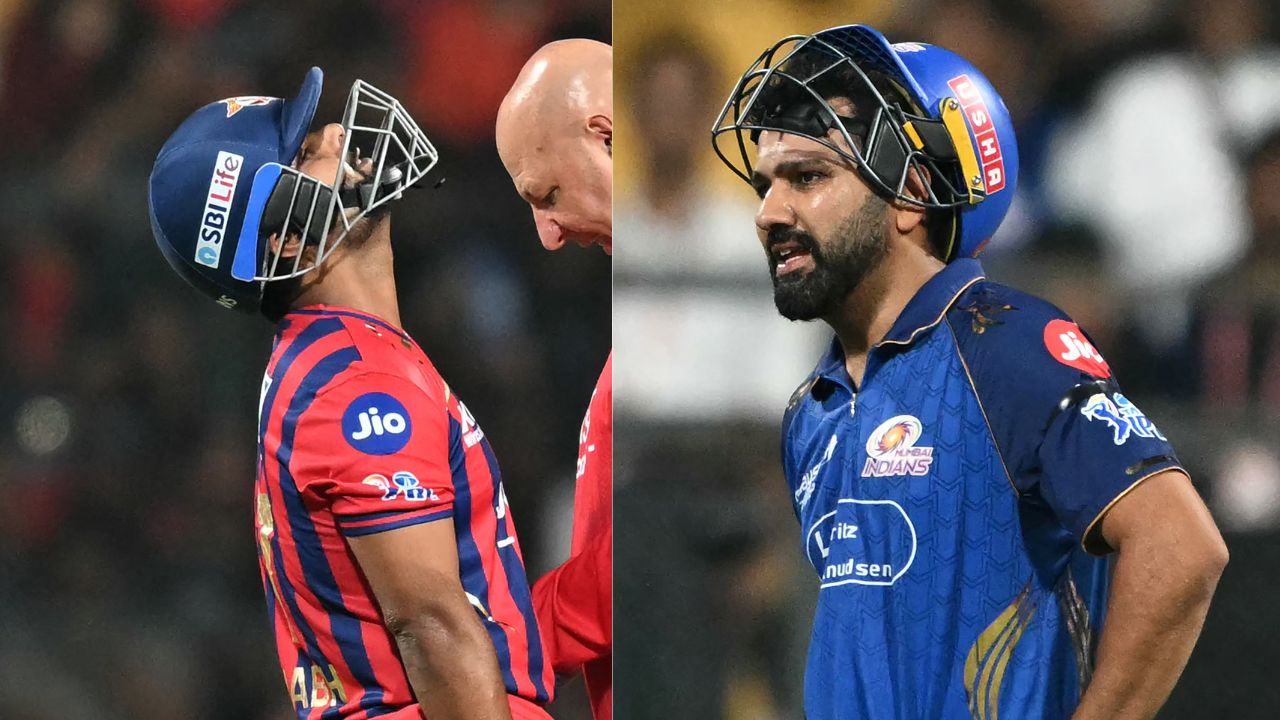
During the recent encounter between the Lucknow Super Giants (LSG) and Royal Challengers Bengaluru (RCB), Rishabh Pant found himself in the firing line. After facing a series of dot balls that built significant pressure, Pant was struck hard on his unprotected left elbow by a hostile short ball from Josh Hazlewood. The impact was significant enough to force a lengthy consultation with the team physio. Ultimately, the pain proved too much, and Pant was forced to retire hurt in the fifth over of the LSG innings, a major blow to his side’s momentum.
Rohit Sharma‘s Hamstring Scare
Earlier in the same 2026 season, Mumbai Indians captain Rohit Sharma faced a similar fate during a high-stakes clash against RCB at the Wankhede Stadium. While chasing a formidable target of 241, the 39-year-old experienced discomfort in his hamstring during the sixth over. Despite receiving medical attention and even attempting to soldier on with a strapped thigh, Rohit opted to retire hurt after scoring 19 off 13 deliveries. His departure hampered Mumbai’s pursuit, and they eventually fell 18 runs short of the target, finishing at 222/5.
Understanding the Rules: Retired Hurt vs. Retired Out
In the world of cricket, the terminology surrounding a batter leaving the field can sometimes be confusing for casual observers. It is vital to distinguish between being ‘retired hurt’ and being ‘retired out’ as per the Marylebone Cricket Club (MCC) Laws of Cricket.
What does ‘Retired Hurt’ mean?
According to MCC Law 25.4, a batter who leaves the field due to injury, illness, or an unavoidable cause is officially recorded as ‘Retired – Not Out.’ This is a protective measure intended for the player’s health. The key benefit of this status is that the batter is permitted to resume their innings later in the match, provided they inform the umpires and a wicket falls or another batter retires. It is a temporary pause in their stay at the crease rather than a formal dismissal.
The Strategic ‘Retired Out’
Conversely, a ‘Retired Out’ is a calculated tactical move. Under MCC Law 25.4.3, a batter may retire at any time when the ball is dead, provided they inform the umpires of their intent. If the reason for leaving is anything other than illness or injury, the batter is recorded as ‘Retired – Out.’ Unlike the retired hurt status, a player who is retired out cannot resume their innings without the express consent of the opposing captain. This maneuver is typically used in limited-overs cricket to replace a struggling batter with someone more suited to the current run rate or the specific phase of the game.
The Impact on Team Dynamics
Injuries remain an unfortunate reality of elite sport. When a player like Rohit Sharma or Rishabh Pant is forced to retire hurt, it disrupts the team’s tactical planning and forces the lower-middle order to step up earlier than anticipated. As the 2026 IPL season progresses, teams will continue to monitor the physical condition of their squads closely, knowing that every ball carries the risk of a game-changing injury. Cricket fans remain hopeful that these star players will recover swiftly to continue providing the exceptional entertainment that defines the IPL.